
Morals were nothing but things to be manipulated with. They were tools you could use against others, and weapons others could use against you. Rebecca Schaeffer
Yet I now ask of you—are you marauders or are you servants? Do you give power to others, or do you hoard it? Robert Jackson Bennett
What I learned in this tragedy was the eternal lesson of good people going bad. Steven Ramirez
Pens, swords, sticks—weapons shoved into our fists as soon as we’re old enough to grasp them. Hafsah Faizal
The phrase ‘ninth graders with machine guns’ isn’t exactly followed by ‘have a nice day’. Michael Grant
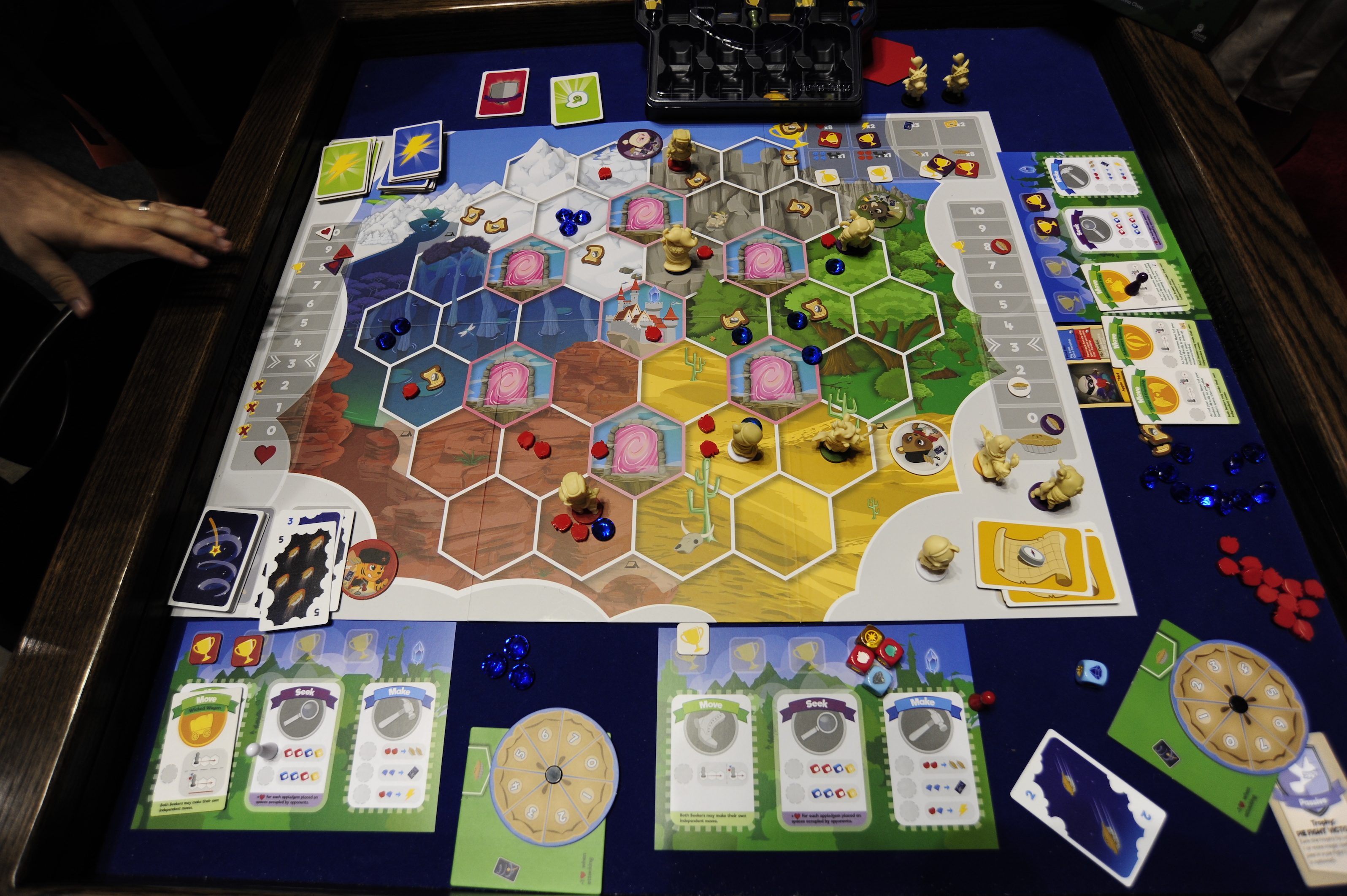
Many years ago, I was an adherent (albeit temporary) of the field of “transactional analysis” made popular by Eric Berne. His book “Games People Play,” described the numerous games in which people indulge in order to get from others what they might well not be able to acquire otherwise if they were committed to “playing it straight.”
Some of the gamesmanship Berne highlighted, as in a game of poker, is largely about pulling off the bluff, of making others believe that you “hold a better hand” than you actually have and thereby compelling decisions which largely benefit the person at the other end of the table more than the one making them themselves.
This “game” is hardly news to those of us who navigate this overly competitive world, a world in which we try to “sell” our talents and experiences often well beyond what the facts and/or testimony of others might otherwise suggest, projecting power and/or authority that we might not actually possess based on credentials which in the best instances represent a massaging of what we have any right to publicly claim and at their worst are mere fantasy projections of what we “wish” we had achieved (or were in a position to achieve) more than an actual, frank assessment of capabilities and consequences.
This “game” is an oldie but goodie, but it was not my favorite of Berne’s litany of gamesmanship dysfunction. That title would have to go to the one known as, “Now I’ve got you, you son of a bitch.” This is the game by which we stalk our adversaries until we “catch” them in words or deeds, catch them so as to justify our original decision to hold them to often-highly unflattering assessments. This game is not at all about being fair to others but of ensnaring them in “traps” of our own creation. The point in bringing this game up here is not to justify wrongdoing of word or deed, but to highlight the tendency of those many who play this game to reduce a person’s “footprint” in the world to those acts or ideas which justify our own unseemly judgements about them, even our hostilities towards them.
The attraction of this game shouldn’t surprise anyone either. Indeed, the “now I’ve got you” mode is pervasive in our time, a mega-offering of what some now refer to as “cancel culture” in which the cancelling is largely about “catching” rather than about healing, or reconciliation, or even what some theologians refer to as “amendment of life.” The idea isn’t so much to invent accusation, though that sometimes happens as well, so much as to feed the accusations we have already lodged against others with allegedly “fresh” evidence of their malevolent intent.
The fact of the matter, whether we want to acknowledge it or not, is that this so-called “cancel culture” is merely one tip of a much more imposing, threatening iceberg: that of “weaponizing,” the willingness to turn ideas, objects, career positions and much more into the means for criticizing, mocking or otherwise attacking others whom we generally know only enough about to know that we can’t stomach their ideas or practices. Such weaponization takes numerous and expanding forms as our ideological bubbles harden and our information sources “about the world” become more relentlessly self-selected and self-confirming. Most everything in our midst now represents some occasion to attack or defend. We are so much more prone now than even in Berne’s time to “lie in wait” for our competitors or opponents to “slip up” in word or deed such that we might in turn intimidate them, harass them, sue them, or plaster mocking accusations all over social media with little if any regard for context.
Or without any regard for the ways in which, as Reinhold Niebuhr was famously quoted, “the evils against which we contend are often the fruits of illusions similar to our own.” Evidence of this chunk of wisdom is hard to find in people who are determined to “catch” their adversaries in speech or actions which might well be toxic but are also, generally speaking, not unrelated to the speech and actions of those doing the accusing. This aspect of the “gotcha game,” of “seeing the speck in the eyes of others but not the plank in our own is a most unfortunate characteristic of our time, an often-reckless consequence of our obsession with the mis-steps of perceived adversaries and competitors coupled with a healthy set of blinders regarding the many (and preventable) ways in which we also betray, also deceive, also mock and condemn without due cause, also fail to honor promises and obligations, also fail to negotiate with others “in good faith.”
This posture is both pervasive and counter-productive, ramping up our levels of suspicion about each other and our “motives” for all sorts of things, even with regard to matters as simple as compliments or small acts of kindness. Everyone, we seem to be increasingly convinced, has got an angle, a hidden motive. No one plays it straight. None are uncorrupted by power and money. None can be trusted to present and “own” more than a piece of truth, some even less than that.
It does not take a saint or a genius to see how such a pervasive attitude could so easily undermine our efforts to build trust (what the UN now most often refers to as “solidarity”) or to disarm at least some of the growing array of ideas, objects, affiliations and technologies which many are now more prone to horde and weaponize than to share and ensure just access.
This point came to light this week at a UN discussion hosted by the Group of Friends of Mediation and its chairs from Finland and Turkey. The event featured USG DiCarlo explaining how the UN has been fortifying its non-coercive tools and capacities to prevent and resolve conflict. In addition to what the UN refers to as “special political missions,” DiCarlo spoke of the importance of UN mediation resources which are inclusive, accessible and backed by commitments to the “primacy of politics” by all member states but especially the major powers.
But the issue here is more than about providing the resource but also about seeking it out and heeding its conclusions. In a world that is inclined to weaponize far more than with weapons themselves – food, sex, justice, health care, even diplomacy itself are all candidates – it can be difficult to find those softer spots where mediation can do its best work. As many of you already know, for a case to proceed at the International Court of Justice in the Hague, the parties to the case must consent to compulsory jurisdiction. That is, they must agree to accept the verdict regardless of whether or not it is favorable to their national interests. But something beyond mere consent is required here if mediation is to have a desired effect, if it is to be viewed as an honest, trusted service on the path to peace rather than as tool for partisan political interests or even conspiracy theories under the guise of “frank and open dialogue.”
This was communicated effectively at the “Friends” event by the former Foreign Minister of Finland, Alexander Stubb, who lamented that in our time the “lines between war and peace have been blurred.” Everything now, he warned, seems to be a candidate for weaponization, including information, elections, even climate threats. In such an environment, how can we know when mediation is more apt to resolve than inflame? How can we move forward in convincing states and other conflict parties of the “logic” of mediation and related tools, that it isn’t necessary to resort to military measures in order to resolve conflict and address conflict threats, and that effective mediation offers more sustainable pathways to healing and reconciliation than missiles and IEDs ever could? How do we demonstrate the benefits of mediation resources when so many of us, even global leadership, are consumed with the game of “getting” others rather than ensuring a softer time and space to sort out our common messes?
It is clear to me, if only me, that the sphere of disarmament for which we have advocated over decades must again be expanded – beyond military hardware and weaponry to all of the pieces of our social fabric that we are now willing to deploy against others with whom we disagree or who threaten our power or position. Our “game” of turning common objects and basic needs into common threats levied against adversaries real and perceived, of applying self-serving glosses to our judgements about those we seek to trip up rather than to steady, is one that we simply cannot win. The world is endangered now by numerous challenges the alleviation of which will require more from all of us, and more from us together.
It is high time to put this “got you” game back in the box from whence it came.


 gapwblog