
Tag Archives: Security Council

Sizing Up an International Icon from my Youth, Shengyang Li

5 May

Editor’s Note:  Shengyang served as an intern this spring with GAPW.  A citizen of China, Shengyang came to us from the Bard Globalization and International Affairs program as have a number of interns over the past few years.   Shengyang took a keen interest in many aspects of the UN’s work, including in the Security Council under China’s April presidency.  His interesting reflections on his experience (lightly edited) at the UN appear below. 

As a child, the education I received about UN is generally similar to how it describes itself to the rest of the world: the UN is the guardian of world peace, solver of the world’s problems, one of the most important organizations in the world. Other than we were taught few specific about UN activities. This deficit became clearer after we learned about the history of the League of Nations, the predecessor of UN and generally deemed a failure in the eyes of the world and its historians. I happened to have had the honor of learning the history of the League of Nations in both the Chinese educational system and the UK A-Level system. I noted that both ‘Western’ and ‘Eastern’ forms of education agree that our children should understand that the League of Nations failed, memorize why it failed, and note  that its successor, the UN, is doing its business differently and thus has been more successful. Still, nothing much was taught about how the UN actually does that “business.”

It was not until high school and my experience in the Model UN (MUN) club that I was provided more than a glimpse of the UN’s role. In retrospect I was not very happy about that lens, mainly because it was distorted: the nature of MUN portrayed the UN as more about state competition than an actual simulation of the challenges and opportunities regarding how the UN addresses global problems.  I encountered  a similar lens when I entered Bard college, so my perspective did not change greatly. This is not to say  that I have never heard negative comments about the UN’s potential, as there are many floating around in real life or on the internet. In fact, most of the negative comments I have heard are quite extreme, saying that the UN should cease to exist since it does little good in the world. Although some aspects of this frustration have merit, most are simply too extreme to be considered seriously.

Thus before I joined UN-based Global Action to Prevent War and Armed Conflict (GAPW) as part of an internship program from Bard College, my understanding of the UN remained more or less stagnant. Therefore, when I actually started my internship, I was both very excited and had no clear idea of what I was seeking or what I should be expecting.  I’d been told to pay close attention to the processes in UN conference rooms and to note down whatever was most worth reporting, including things that I felt might be contradictory or otherwise out of place. In other words, listen carefully for subtleties, and provide the most fair and accurate feedback possible

The first time I was able to recognize a full-fledged, subtle UN confusion was only weeks after I started this internship. It happened in relation to a panel focused on the inclusion of indigenous people and their issues. During that meeting a frequent sentiment was shared that the UN system should be more open to groups of indigenous people that are autonomous with a viable political structure, instead of opening more space to indigenous advocacy groups that act more like NGOs. It seemed like a reasonable suggestion to prevent this particular UN process from being flooded by activist agendas. A related sentiment widespread in the room suggested that indigenous representatives should concentrate on meetings and events ‘that are within their area of concern.’

These two sentiments seemed appropriate enough and were all mostly agreed by all delegates in the room. But after the meeting, I recognized an inconsistency: if we are to welcome at the UN those indigenous groups that tied to legitimate governments, then suddenly every topic that the UN is concerned about should be applicable to those groups as well. Water stresses? Arms flows? Gender discrimination? Income inequality?  SDGs? Are any of these topics (and others not mentioned) not an area of concern for legitimate representatives? Also, by using phrases like restricting indigenous groups to only participate in events “within their area of concern,” the UN was essentially forcing groups to focus on/fight for more narrow policy agendas. Isn’t that exactly the job of most NGOs? This interesting paradox was probably not intentional. Still, it reflects something that shouldn’t be there and was apparently not noticed by anyone participating in the discussion. What troubled me a bit is the realization that there are surely delegates and diplomats, not only observers like me, who noticed such logical fallacies, but chose not to point that out, or to even reiterate the error. People inside the system are often not willing to talk about an easily detectable inconsistency, or are simply too preoccupied to even notice things going wrong that might easily be corrected.

This was the first “Eureka” moment for me inside UN headquarters. The rest of my experiences I learned through my daily coverage of various UN meetings and events. I had been informed by my mentor of the importance of paying attention to who is not present, what is not spoken. Things ranging from an absence of an expected briefer to long and arduous statements that went on about past achievements and future expectations without solid plans or methods of implementation, even to the increasing number of ‘closed meetings’ in the UN buildings. I think I gradually understand what that means. There will always be things important to be discussed but that aren’t handled with proper urgency due to a variety of reasons (some intentional and political), and it is crucial that we notice what those reasons are and why things happen the way they do.

So overall, what did I learn from my time at GAPW? What should be my takeaways after only 3 months of trying to comprehend this system? Personally, I would say that one of the most valuable lessons I have learned is that just like other entities in the world, the UN is no stranger to branding, even boasting. And in this case, this branding can be somewhat useful; : people are taught from their childhood that the UN is a great institution, and it would be a huge burden to the UN if it ever fails to strive for the most positive image possible in the public eye.

Another key lesson I learned during my stay is the realization of the true function of organizations like GAPW. A Chinese idiom goes: “The bystanders always have better clarity than the insiders.” This assumes that the ‘bystanders’ are close enough to the center to see what is happening without getting completely caught up in it. This is what we at GAPW do according to my understanding: to study UN processes like an interested bystander but then provide “insider” advice to diplomats with the goal of helping the UN fulfill the tasks and aspirations that the world has entrusted to it.

A final interesting point about my experience is that before starting my internship, I was told by my mentor that many students before me have changed their interest or area of focus as the result of their UN exposure. I told him then that it probably won’t happen to me, but when I look back, I realized that my perspectives and interests have in fact changed a bit. Before GAPW I was fascinated mostly by diplomacy between states — so-called international politics — and little else. I cannot say that I have lost interest in those aspects, but now I have learned that there are so many other fascinating and important policy options for the world that need attention and that I had not truly considered before, from climate change and inequalities to gender balance and violent extremism.  These issues all form a connected web that will decide the fate of humankind’s future.

And what makes it more interesting for me is that all these UN policy issues require consensus, which gets us back to the good-old diplomatic formula that the UN and member states struggle to achieve every day. The multi-faceted learning experience I gained at the UN through GAPW is destined to leave a huge impact on me, and for which I am genuinely grateful.

Doing and Enabling: Broadening the Peacebuilding Tent, Dr. Robert Zuber

1 May

First off, blessings to all our Orthodox friends and colleagues who celebrate Easter today.

This past Wednesday (April 27) a rather remarkable if under reported event occurred: the Security Council and the General Assembly (in that order) approved a joint resolution designed to strengthen the structure and activities of UN Peacebuilding.  Based on a special report authorized by the UN Secretary-General, this joint resolution was perhaps the clearest, recent example of key UN agencies authorizing and encouraging each other’s work rather than defending institutional turf.  To see operational language like this in a UN resolution was a sight for these sore eyes:

To serve as a platform to convene all relevant actors within and outside the United Nations, including from Member States, national authorities, United Nations missions and country teams, international, regional and sub-regional organizations, international financial institutions, civil society, women’s groups, youth organizations and, where relevant, the private sector and national human rights institutions, in order to provide recommendations and information to improve their coordination, to develop and share good practices in peacebuilding, including on institution building, and to ensure predictable financing to peacebuilding.

The Security Council vote was unanimous, short and sweet.  The GA process, however, provide ample opportunity for key peacebuilding actors and other member states to share their hopes and aspirations for more effective UN conflict prevention and resolution efforts.  Many statements indicated that delegations understood just how momentous the moment was.  For instance, Mexico noted the need to change the “epicenter” of peacebuilding from post-conflict response to conflict prevention. Sierra Leone cited the diverse contexts in which peacebuilding occurs, contexts that can be enhanced and even effectively coordinated by UN efforts.   Australia urged that core UN “bridge building” efforts towards a sustainable peace reach out more resolutely to women stakeholders. And Kenya’s Amb. Kamau urged a flexible role for UN peacebuilding that spanned the terrain from prevention to conflict relapse, that distanced peacebuilding from military response, and (along with Sweden) that provided support to states beyond the few that were formally “configured” within the Peacebuilding Commission.

There was much more, of course, virtually all of it designed to broaden the space for peacebuilding in ways that respect diverse national and community contexts, space that intentionally includes the skills, passions and aspirations of its many stakeholders.

Indeed, it is this “authorizing” element that seemed so critical to us.   We have written previously about the negative implications of UN turf wars, urging agencies to concentrate less on what they do and brand, and more on what they share and leverage.  The attitude we urge turns out to be one that is quite conducive to the revised philosophy and architecture of UN peacebuilding.  Indeed, our office is in touch regularly with a myriad of activities that qualify as peacebuilding in every aspect:  efforts to protect courageous but besieged journalists; uphold human rights standards in the justice systems of the Caribbean; help women farmers in Central Africa to grow crops for healthy, local consumption; promote democracy in communities under strain in North Africa;  explore models of UN peacekeeping that can more effectively protect civilians and eliminate prospects for abuse; find ways to end the trafficking and human displacement in Central America that threatens the community fabric and compromises development.

There is so much more taking place beyond our knowledge and capacity to leverage, people dedicated to causes that have not yet sufficiently acknowledged their value.  This must change and change quickly.

A woman well known to the UN and its social justice advocates came to me recently to ask some advice on how to get more involved in peacebuilding.   The irony of course is that she has been doing peacebuilding all along — so many of you have also.  You may not have access to Commission meetings or be able to tap into peacebuilding funds, but your activities inspire reflection and hope towards more peaceful futures.

The resolutions this week seemed much more important than the usual normative text.  They were, in their own way, an invitation to millions of people who put their lives on the line each day for justice and access to essential services, for climate health and sustainable development, for food security and legal accountability.  Under the new rubric articulated in the SGs report and articulated in this week’s resolution, peacebuilding is becoming a very large tent indeed.    Large enough, we trust, for all the work we do and, perhaps more importantly, all the work we come to know about.

Home Improvement:   The General Assembly Initiates Some Deferred Repairs, Dr. Robert Zuber

10 Apr

Anyone who has followed this space knows that Global Action is committed to a UN system that is suitably structured both to focus on needs and threats that states can’t solve alone, and to better honor its many development and security promises made to global constituents. If and when the UN bogs down in petty concerns or takes undue liberties with its vested authority, the hopes that people have invested in this community will continue to fade.

Our own humble contribution to this system has long focused on the way we do our collective business as much as the content of that business.   The promises of a disarmed world, of an end to extreme poverty, of responsive governments that respect the rights of their people, of a planet that can find healing amidst the relentless onslaughts of human ambition – these and more require structures of global governance that privilege effectiveness and whose movements and rationales can be more easily discerned by the governed.

Those of you who rightly wish for the UN to “do more” on development, climate and security should recall: When the home roof is leaking, the boiler barely functions, the tap water is contaminated and the weeds have taken over the lawn, the quality of life of the family is compromised, as is its ability to make meaningful contributions to the life beyond the home.

Indeed, the three major bodies that constitute the UN’s “home” base have all heard rumblings in recent years that their structures and methods of work are simply insufficient to the many challenges on their collective agendas.  In the Security Council, the Accountability, Coherence and Transparency (ACT) group is just one of several initiatives designed to ensure a Council that is better able to respond to security threats at earlier stages and assess past decisions so as to eliminate future mistakes, while strongly urging the permanent members to “work and play” better both with elected members and with other core components of the UN system.

Under the presidencies of Austria and now the Republic of Korea, the UN Economic and Social Council (ECOSOC) has recently recovered its own footing, demonstrating through the High Level Political Forum and other structures that it is able and committed to creating meaningful and reliable space for assessment and oversight of the 2030 Sustainable Development Goals — including its emphasis on ending economic and social inequalities — perhaps the single most far-reaching “promise” issued by the United Nations over the past decade.

As the most representative of UN organs, the General Assembly (GA) has also had its share of effectiveness-related issues. In the recent past, it has struggled trying to manage the needs and expectations of a growing roster of member states, including the expectation that the UN as a whole must become more democratic in its core concerns, including on matters of peace and security.  At the same time, the Assembly suffers under the burden of one-year rotating presidencies that make it difficult for leaders (especially from some of the smaller states that have recently held the position) to get full policy traction. The GA has also been limited by a funding mechanism that does not provide resources adequate to any sort of ambitious presidency (which exacerbates tendencies to bend the rules as appears to have been the case with 2013 GA president John Ashe).  And the president has always to contend with large and powerful states (including permanent Security Council members) that do not wish to have the Assembly wandering into their policy territory.

Into this morass in 2015 wandered the current GA president (PGA), Mogens Lykketoft of Denmark, who has made much of his country’s diplomatic reputation and links to the European Union (perhaps even exploiting his country’s pre-eminent levels of happiness) to rapidly enhance some of the GA’s luster.  He and his senior leadership have done so through massive infusions of attentive energy, insisting that this GA house be restored to purpose and set on a path of relevance to a new standard of global expectations.

His strategy has had multiple facets, but two stand out for us.   The first is his office’s omni-presence in the system.  Just this month, he has presided over/keynoted discussions on topics as diverse as African development, trafficking in persons, disaster relief strategies, and peacekeeper abuse in the Central African Republic.  He has traveled to other UN sites to share and to listen. He has also been an indispensable voice in efforts to open up the selection process for the next Secretary-General, a process that might well result in the first female SG but one which will surely change forever the dynamics affecting future selections.  This presence from the PGA has been both consistent and understated, permitting the president to define the GA’s stake in key global issues without undermining the expertise and authority of others, nor the many helpful precedents in the UN system that have brought us to this current, reform-minded place.

The second facet is related to a decision by the PGA’s office to hold fewer key policy discussions in a mostly formalized GA Hall setting – where prepared statements rule the day – in favor of more informal, less predictable discussions in other UN conference rooms.   President Lykketoft did not invent this format by any means, but he has seemingly embraced it in a way which allows delegations to reflect on responsibilities without the burden of producing resolutions, and which also underscores the abundant skills within the general UN membership that simply must be energized if the current collection of existential threats is to find permanent relief.  That some delegations continue to read prepared statements in such informal settings testifies in part to the complexities of the UN’s diplomatic habit; perhaps even to a lingering mistrust in a process that is likely to result in what for Global Action would be a welcome leveling of decision making authority within the entire UN system.

There are no either-or impediments looking forward.  We can find ways to honor both policy precedent and policy innovation.   We can test our current working methods to ensure they are sufficient to our policy challenges without throwing the UN system into procedural chaos. We can show competence on issues and contribute to their resolution without excluding other relevant stakeholders or marginalizing other helpful contributions.   We’re learning how to function as a system – as a home base — slowly but steadily.  It’s an exciting moment; but also an essential one.

The recently released Panama Papers provide those who question the motives of government officials with yet one more reason to do so.   For the UN, deviating from the revised direction recently established for our most important policy organs must not now be an option.  We seem at this point to have the energy and urgency to take better care of our home business, initiating the repairs we have long needed to make. We need to stay this course so that the hope still invested in this global policy community is not in vain.

Ballot Stuffing:  The UN Confronts State Claims of Indispensability, Dr. Robert Zuber

27 Mar

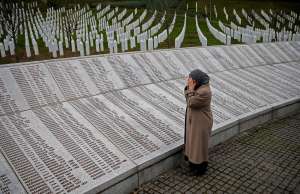
Vote for Nobody           Bosnia

I’m sitting in my office on an Easter morning having just walked through a park filled with Narcissus (Daffodils) – bright yellow and white flowers that bear within themselves the promise of their own regeneration.

In the northern countries, budding flowers have long served as visual confirmation of at least part of the Easter message – that death is not the final word, that renewal is possible and that the keys to renewal reside partially within us.

Some states on and off the UN Security Council claim such a power for elections as well, seeing them as an “elixir” of national stability, an integral step towards any prospects for national regeneration.  In many parts of the UN system, including the Security Council, elections are widely encouraged as an antidote to political stalemate, to insurgent violence, to restorations of both the rule of law and the good graces of the international community.

Nonetheless, as we look around the world on this Easter morning, this ascription of “elixir” would appear to be a hard sell.   High levels of “negatives” for US presidential candidates, confidence in leadership undermined in Brazil, concerns about Turkey and the political collapse of the European community, economic woes in Burundi, the DRC and elsewhere spiking public anxieties and threatening transitions, spoilers within too many states (and not all of them insurgents) stoking violence and unrest that undermines reasonable prospects for the maintenance of some semblance of normalcy.

And then there are those leaders who simply refuse to leave, those who imagine themselves to be “indispensable” to the maintenance of whatever prospects for national stability and prosperity might exist.  Some of these leaders have thumbed their noses at their own constitutions.  Others have committed grave abuses against their own people and then manipulated electoral processes in order to shield themselves from post-office litigation.  Too many lay claim a “mandate” that is neither constitutional nor performance-based, a mandate that serves only to further widen the distrust  of citizens towards a state fully convinced that its continued presence in office is beyond reproach.

Clearly, as noted by Paul Collier, “elections determine who is in power, but they do not determine how power is used.”   Nor, apparently, do they always determine when and how such power is to be transitioned.

In preparing to write this piece, I searched for quotations on elections that I thought might be uplifting.   What I mostly found were quotations both humorous and skeptical.   Among them:

The Portuguese writer José Maria de Eça de Queiroz alleged that “Politicians and diapers should be changed frequently and both for the same reason. “ The US humorist Will Rogers noted that, “If we got one-tenth of what was promised to us in these acceptance speeches there wouldn’t be any inducement to go to heaven.”  Also from the US, Mark Twain noted that “If voting made any difference, they wouldn’t let us do it.”

There were many more in this vein – grateful for the existence of elections and their own ability to participate in them, but skeptical of the motives of those running for office and mostly despairing of the accountability of the winners after all the votes have been counted.  Many are skeptical as well of the disproportionate influence of those holding large fortunes on the political “fortunes” of others, of the ability of leaders to resist the allures of power and redirect that power to public benefit, of the willingness of leaders to battle the demon of “indispensability” through which so much violence, discrimination and political inertia flows.

Clearly, as many within and outside the UN recognize, elections cannot be abstracted from the societies in which they occur.  Moreover, the holding of elections, while useful in helping to “settle” and legitimize the political order, is hardly a panacea for what ails people.  Indeed, much of the violence which occupies the UN Security Council and security establishments in national capitals relates to the inability – or unwillingness – of ostensibly “elected” governments to offer protection, legal integrity, political freedom and development-without-discrimination to their populations.

As the US noted rightly this week in the Security Council, if leaders are “indispensable,” then clearly they have failed at nation building.  Clearly they have too often failed to uphold the rule of law on which most national constitutions are based. Clearly they have also failed to guarantee an end to impunity for violations of public trust committed by any officials of the state. Clearly they have failed — as suggested by UN SRSG Sidikou during that same Security Council meeting — to create and maintain vigorous public spaces for journalists, civil society and even dissenting policy voices, helping to ensure that official promises are addressed in good faith and any abuses of power are not repeated.   Clearly, they have failed to heed Spain’s recent Council urging for electoral processes that do their part to help turn citizens into “protagonists for their own future.”

In other words, “indispensable” leaders who lack the commmitment to enabling rather than obstructing citizens as they seek to express and enact the powers of social regeneration that lie within them.

More and more, elections themselves seem to be more of a “fingers crossed” moment than any guarantee of future inclusiveness – fingers crossed that “changing the diapers” willl result in happier outcomes than another round of diaper burn.  States worldwide are under assault from terrorists and climate-induced drought, from criminal networks and economic predation.   Even the most accountable of states are now staring down multiple traumatic circumstances.   All states now need help in one form or another, from the UN and other mutilateral institutions, of course, but also from their own citizens.

At the UN this past week, Special Envoy Djinnit noted that, in the African region for which he is responsible, successful elections are now the occasion for mostly “fragile achievements.”   Even in these treacherous times, we know some of what it takes to remove the “fragile” tag; replacing repression with open political space, discrimination with fairness, and manipulations of the law with accountability to its cherished provisions.  We must also do better at ensuring vital and thoughtful linkages between national governance and the three, public commitment pillars of the UN system – to security, human rights and development.  “Fragile” is still within our power to change.

And of course we must find ways to do better about selecting people to lead us who have the humility and wisdom to pass the torch when it is time for them to go.

Elections are one significant piece of a larger puzzle towards ensuring peaceful relations, participation and fairness, both elections within member states and even elections within the UN itself: A puzzle incorporating balloting that underscores – rather than undermines – commitments to political and social inclusiveness, while cultivating a “verifiable trust” in government by citizens that is – more than any political leaders themselves – indispensable to a just and effective political order.

Travelocity: The Council’s Ticket to Closer Connections to Difficult Security Challenges, Dr. Robert Zuber

6 Mar

As of this writing, Security Council members are in the final stages of a visit to West Africa to confer with regional leaders and assess security arrangements and ongoing threats in countries such as Mali and Guinea-Bissau.

We support such trips as, in the best of circumstances, Council members can both share concerns with political and military leaders (even opposition forces as in Mali), and also get a feel for how tenuous the peace can be in these places despite the Council’s often well-meaning meetings, resolutions and mandates.  It is good that they go, good that they listen, good that capitals experience their concern first-hand.

We look forward to the report on this trip later this month, under Angola’s presidency.   As part of that report, we would appreciate some rationale for the invitation list, specifically why the chair of the Peacebuilding Commission’s Guinea-Bissau configuration, Brazil’s Amb. Patriota, was apparently left off.   Indeed, a meeting of that configuration focused on the political stalemate in that country was held this week prior to the Council’s departure, a meeting which attracted an “A” list group of permanent representatives, virtually all of whom were properly encouraging of Amb. Patriota’s personal involvement with (at least) the Guinea-Bissau portion of the Council’s travels.

Indeed, from our vantage point, and having been present for virtually all recent meetings of this configuration, this would seem to be an opportunity missed.   Closer linkages between the PBC and SC have been called for repeatedly by Ambassadors and featured in SG reports.   These connections are considered essential both to ensuring broader participation by member states in relevant peace and security issues, and in helping to push our conflict-related energies further upstream, balancing our commitments to remedial measures in post-conflict settings with assurances that we will do all that we can — and more than we are currently doing — to fend off conflicts in their earliest stages.

Such assurances, as we have noted many times in the past, require more of us as we seek to become fair, thoughtful and collaboratively-minded brokers of our respective mandates.

This “more” was ably expressed during “Human Rights at work in Peace Operations,” convened by Sweden to look at the human rights implications of peacekeeping operations (including of course the obligation not to abuse the people PKOs are mandated to protect).  During that event Francesco Motta, Head of the Human Rights Component of the UN Assistance Mission for Iraq, made clear that UN reports must be used to enhance human rights practices and not for UN publicity purposes.  Such reports must have direct application to circumstances on the ground, not only with regard to the values and strategies by which we respond to threats, but as a means for deepening our understanding of the nature and origins of threats.  Extremism did not appear out of nowhere, he advised, and the more we allow ourselves to know about its complex origins (including at times our own facilitating roles), the better we will be able to prevent their recurrence.  This self- and organizational reflectiveness from a human rights officer (and from several of his panel colleagues) was warmly received and rightfully so.

Some of the value of that reflectiveness could have been extended to the pre-trip Council chamber during discussion of resolution 2270 (2016) that tightens sanctions on the DPRK, including restrictions on new categories of exports and providing for the intercepting of DPRK vessels.  The US and China, as the two nations most closely associated with the resolution, had predictably different response to its unanimous passage, though both acknowledged the limited value of previous sanctions regimes to changing DPRK behavior.  The US took the lead in highlighting yet again the many levels of security threats and human rights abuses attributable to DPRK’s leadership.  China, again typically for them, highlighted the need for dialogue and negotiated settlement while noting the grave challenges on their own doorstep represented by some of the belligerent policies emanating from Pyongyang.

Two things particularly struck me from this discussion.  First, despite the many evidences of horrific DPRK behavior noted by the US, other Council members such as Japan, and even from ECOSOC president Oh Joon, there was an underlying if unspoken presumption of “rationality” of the DPRK leadership, some sense that this leadership is capable of internalizing the disapproval of other states and making sound judgments designed to resolve (or at least appease) such disapproval.

This assumption has merit with bratty children desperate for their mothers’ attention or “high maintenance” partners looking for reassurance.  But for bullies harboring what appear to be severe reality deficits, provocation seems always to be lurking in the metaphorical shadows, provocation which can be both a cause of and an excuse for obsessive, abusive, reactive behavior.

Still, regardless of any state sanity misconceptions, it would have been useful to have the DPRK in the Council chamber to gauge their reactions to the resolution, indeed their capacity to respond reasonably (if not positively) to its demands. It is standard Council practice to invite states under consideration – Yemen, Libya, Syria, Sudan, etc. – and then provide them the courtesy of response.  In this instance, as with many other UN deliberations on DPRK, government representatives were nowhere to be found. We have written previously urging the Council to abandon the process of letting erstwhile “offending” states have the “last word” in these formal sessions in part because of the high levels of “spin” characteristic of most of their presentations.  Nevertheless, these appearances are useful both in helping to take the “temperature” of states and to ensure that government officials actually “hear” the concerns of Council members.  Given this, every possible effort should be made to have the DPRK in the room when they find themselves (as they assuredly will) back on the Council’s agenda.

The lessons from this week’s travels and briefings largely confirm lessons of prior weeks:  If we politicize findings of potential mass violence or other security threats; if we protect officials who fail to address human rights abuse allegations forthrightly;  if we turn our backs on complementary capacities (including mediation experts) that can help us fulfill our own mandates (not to mention save lives); if we allow our political lenses to cloud our policy judgments;  if we craft statements or reports that tell the truths that we want others to hear, not the truths they need to hear; if we appear to encourage some abusive state voices while stifling others; then we risk undermining broad confidence in the multilateral structures we still very much need to implement the promises we have already made.

Whether we like it or not, that confidence is now a bit shaky.  We need quickly to demonstrate more resolve to preserve – even enhance — what is left of it.  If we were ever to lose this confidence altogether, we can rest assured that no Council session or overseas mission visit could likely restore it.

Bible Study:  The UN Security Council Revisits its Sacred Origins, Dr. Robert Zuber

21 Feb

On Monday January 15, under the presidency of Venezuela, the UN Security Council held a full debate on the UN Charter, the fundamental document guiding this institution’s objectives, values, relationships and working methods. The debate, “Respect for the principles and purposes of the Charter of the United Nations as a key element for the maintenance of international peace and security,” attracted a chamber filled with ministers, mission diplomats and others.

It should be noted here that the General Assembly has also been involved in its own efforts to revitalize itself in accordance with the Charter.   The GA’s version, of course, is a more inclusive process.  Indeed, much of its membership is also suspicious of efforts by the Security Council to “filter” such important conversations through its much more narrow accountability frameworks.   Thus, much of the conversation on this Monday was less about the Charter per se and more about the working methods of the Council itself – how to improve Council effectiveness in responding to security threats but even more its accessibility of and accountability to the wider membership.

To the extent that the debate kept its focus on Charter values and obligations, it followed along lines similar to those of religious communities debating the contemporary relevance of ancient scriptures.  Some UN members stressed the need to hold fast to the fundamentals of the Charter as the basis for all UN action. Others stressed the need for flexible Charter applications to respond effectively to security and other threats – including asymmetric threats from ISIL and other groups – which those giving birth to the Charter could not possibly have foreseen.   Still others acknowledged a shifting security environment while insisting with the Secretary General that we “must get out in front of conflict,” as the Charter suggests we should do, and without recourse, as Pakistan warned, to “power politics”

The world that welcomed the UN Charter has certainly changed on a massive scale since 1945.   At the same time, states joining the UN entered an organization defined by Charter obligations and limitations.  Indeed, many smaller states have seen in their UN membership both an opportunity to participation meaningfully in global policy and a means for resisting big power incursions into their internal affairs – a window on the one hand, a wall on the other.

At this particular debate there were frequent references to Charter values that seek to protect territorial integrity and sovereign equality.   Sovereignty itself was the subject (as it always is whenever the UN membership addresses the Security Council) of much discussion, especially among some states that see sovereignty as a protective principle, including too often protection from accountability for abuse of its own citizens (a point made strongly –but not only– by Spain and the UK).  Sovereignty is too often invoked as one obligation abstracted from others, and is unfortunately also invoked as the ultimate principle within the household of UN Charter values.

Such debates in the Security Council often dredge up regional tensions owing to the fact that states do not always act in accordance with Charter responsibilities and those that don’t (when they don’t) are not held to the same levels of accountability under international law.   In the Monday debate, along with a few side-skirmishes (such as with Cyprus and Turkey), the focus of several delegations, most notably Ukraine, was on Russia’s aggressive behavior in Crimea and Eastern Ukraine.

We think that this aspect of the debate, while a bit of a diversion, was largely “fair game.” Indeed, it is part of a larger discussion that needs to continue and that focuses on the degree to which Security Council members – most notably the permanent five – seen by many as the guarantors of important Charter-based responsibilities, routinely abrogate those responsibilities.  This rightly includes, but is by no means limited to the Russians.   One doesn’t have to accept at face value Venezuela’s concern about violations of rights by large powers in the name of “democracy” to agree that accusations of rights abuses are too often externalized, too often used as a tool for political ends, too often used to deflect attention away from other abuses committed closer to home.  As a body, and certainly in the case of the permanent members, we are still prone to accusing too readily and apologizing too seldom.

Indeed, there is probably no institution on earth that is subject to less accountability for its excesses and errors than the UN Security Council.   70 years removed from its founding, as the world recovered from a shattering conflict, it is hard to imagine that Founders Intent could have included such a lack of accountability both to those impacted by its decisions (or lack thereof) and to the general UN membership.  Armenia and India were only two of several states during the debate noting that trust in the UN system is currently under strain due in part to the Council’s working methods.  Fixing those methods, as many states seem now prepared to do, would go far to enhancing the UN’s trust reserves.

But any discussion about Charter intent is to some degree speculative and subject to review by the historians who have a better sense of what those Charter framers were thinking, the new world that they were helping to set in motion.  It is for us to take that analysis and apply it to our own multi-lateral framework for addressing contemporary problems – problems both outside and inside the UN.  Member states breathe life into the Charter, as noted by Malaysia, implying that fair and inclusive working methods can be as important a Charter value as respect for the rule of law. Like so many other states at this debate, Malaysia clearly seeks strategies that enhance the Charter, not bypass it.

As we examine appropriate ways to modify and enrich our understanding of the UN’s founding “scriptures” to accommodate new security and development realities, it is imperative that we abandon, as Japan duly noted, any predisposition to apply “rules” to some and not to others.  We must also ensure, as Sweden, Italy, the African Union and others urged, that we always make the full and best use of UN and regional capacities to address conflict, and to apply preventive tools wherever and whenever possible.   We need a more level field of play as well as a full complement of partners to play with.

Latvia got it quite right, I think, when it referred to the UN membership – inside and outside the Council – as the “guardians” of Charter promises.   Panama also got it right when it encouraged Charter applications that place people at the center of our policy deliberations.  These and related recommendations from the membership imply a reverence for the values and principles that underpin our collective responsibilities that is all-too-rarely seen inside UN headquarters.   The specifics of those promises may at times have to adjust to new and even unforeseen circumstances, but the promises themselves and the values they embody continue to uphold the foundations of the UN’s sacred trust.

Without a Trace:  The Security Council Examines a Trauma that Lingers, Dr. Robert Zuber

31 Jan

Missing things, missing people is a part of life for all of us.   Our popular music is punctuated with the emotional residue from our empty spaces – especially from loves gained and then lost. The singer John Waite once mourned “there’s a storm that’s raging through my frozen heart tonight.”  Sometimes the ache from the loss of a loved one is too much to bear, even when you know where they’ve gone, even when you knew a separation was coming.

In an age characterized by so many scattered peoples – from war and drought, or from seeking economic opportunity in a hopefully more peaceful context – larger and larger numbers of us are separated from much of what we had previously come to love.  Our growing social and economic mobility, for some motivated by a determination to save their children from the ravages of conflict and abuse, has increased the distances separating so many of us from the objects (and subjects) of our hearts’ desire.

This pain is greatly magnified when the separations are imposed, arbitrary and secretive, when people awake to find that one or more of those in their most intimate social circles has disappeared without a trace.  In such instances “frozen” hearts are often accompanied by frozen hands and lips, the consequences of a trauma that can produce almost coma-like effects, sometimes lasting for many years.

This week, in addition to much other Security Council business, Ambassador Rycroft of the UK convened an “Arria Formula” meeting to look into the consequences of these traumatic disappearances as they relate to international peace and security.   The meeting featured the welcome presence of Ambassador Diego Arria of Venezuela who was responsible for the idea of having more Council-sponsored, informal discussions to allow members to examine security linkages and implications without scrutiny from the media or pressure to agree on resolutions.

For his part Ambassador Rycroft affirmed his preference for these sorts of engagements.  Indeed, he has been one of the Council members most inclined to pressure colleagues around the oval to come out from behind their prepared texts and engage each other as policy and learning partners in their essential but highly challenging endeavor – maintaining an often elusive peace. Rycroft noted that the Arria process allows members the “chance to hear from people in the know” and to do so in interactive fashion.  It is hard to disagree that such chances should be pursued as often as possible within the limitations of the Council’s already weighty schedule.

There is more to say on the “working methods” implications of this Arria process, but it is also important to acknowledge here the crushing burdens that persons separated from their loved ones and communities due to armed conflict must bear.  The US, which at Council meetings often miscalculates the bonds linking stories of abuse and remedial policy measures, aptly cited in this Arria the “searing pain, trauma and impotence” that accompanies persons who have had loved ones taken from them in situations of armed violence, taken without any apparent rationale or information regarding their whereabouts.

As noted by the ICTJ’s Tolbert, this missing represents a deep ache with broad implications, correctly referencing the “social trauma” that so often takes up residence in communities where people have been “disappeared.”  For his part, the UN High Commissioner for Human Rights Zeid noted the “grave abuse potential” that exists when women and girls go missing. And he encouraged more “truth telling” by authorities (a point also made by New Zealand) to help loved ones cope with their losses and displace with more concrete information some of the horrific fantasies regarding the whereabouts and treatment of loved ones that often accompany coping efforts. Such information allows for the lifting of the “veil of silence” that reinforces fear and social isolation, subtly perpetuating what Zeid called “the sharp edges of abuse.”

But of course our task in all of this is not to examine this pain but rather, as urged by Mexico rights activist Sr. Consuela, to “ensure that this becomes part of our past.”   And many of the voices in this Arria Formula meeting, including the High Commissioner, Italy, Japan and Uruguay, maintained that the efforts to end the trauma of disappearances is indeed “directly relevant” to the Council’s core responsibilities, that Council attention can accrue tangible benefits towards the final resolution of this agonizing abuse.

That noted, this Arria event was not without controversy.  As they have done previously when discussing other attempts to extend the Security Council’s policy concerns, Russia essentially rejected the relevance of this “disappearances” discussion to those concerns.  Russia is for now the most vocal critic of what it considers to be the habit of “politicized” application and even expansion of core Council principles, resolutions and mandates.  Other Council members, including February’s president Venezuela, have also cautioned against taking on less “central” issues when so much of the core peace and security mandate of the Council (read Syria, Yemen, Mali, etc.) lies unresolved.

In fairness, Russia of course also “politicizes,” also uses the format of the so-called “open” meetings to brand its preferred versions of the truth, rather than truth’s more comprehensive incarnation.   Moreover, it is not uncommon, as core policy matters get in a rut and pressures mount, that persons or governments seek out problems to which they can make a real contribution, hoping perhaps that efficacy in more “marginal” realms can translate somehow into efficacy in core responsibilities.

Having sat through hundreds of Council “open” branding sessions — which January’s president Uruguay (at Friday’s wrap up session) rightly noted produces little in the way of policy movement or even clarity regarding national positions – it almost seems reasonable to share skepticism regarding the motives and politics of Council engagement.  However, the solution to such skepticism is not to cease holding Arria Formula events. It remains important for Council members to consider testimony on issues such as disappearances “from people in the know,” and Arria is the best format currently available to make that happen.

The caveat here is that Council working methods have, as noted frequently by many non-members, long under-estimated the efforts, activities and even mandates of other key UN actors.  Council members are quite grateful to their briefers – who now encompass a wider range of UN issue area interests– but much less often seem conversant with the activities and priorities of the agencies these briefers represent.

There is a significant distinction between “adding value” to the resolution of issues such as the scourge of missing persons, and being seen as undercutting relate efforts of colleagues elsewhere in the system.   This seemingly habitual tendency of the Council to “vacuum up” any and all security-related topics raises concern from many non-member states; those seeking to keep the Council focused on its “primary” responsibilities, yes, but also those understanding that lasting solutions to security problems involve diverse capacities inside of and beyond the UN, solutions not to be found solely within the texts of the Council’s mandates and resolutions. And to be clear, the primary purpose of the Council must be to resolve threats to peace and security, not to bolster its own prerogatives – outcomes not status.

If the Arria Formula option is to reach the potential that Ambassador Rycroft rightly feels it can, the introduction of new issues and perspectives to Council members must be accompanied by a more sophisticated and generous grasp of existing UN agencies and their capacities.  Traumatic abuses such as forced disappearances are likely to be addressed with greater effectiveness when the Council states its clear and primary intention to add value rather than control outcomes.

Defining, Protecting, Recruiting Youth: Security Council Members Revisit their 20s, Dr. Robert Zuber

13 Dec

This was quite a week for the UN.  A Climate agreement was reached in Paris.   Several contentious Security Council meetings helped to define its role going forward on Ukraine, Libya, Central African Republic and the DPRK.   The General Assembly took public responsibility for improving mechanisms for humanitarian assistance and disaster relief.   And the human rights “pillar” took center stage with high-level events to remember victims of genocide and promote “Human Rights Upfront.”

But perhaps the most intriguing event of the week was not about climate or genocide, but about “youth,” that vague and fluctuating category of human existence to which we often pay too little attention unless we are trying to sell something – a product, generally, but also an idea, a policy, a value or even a lifestyle.

On December 9, with leadership from Jordan, the Security Council passed Resolution 2250 on “Youth, Peace and Security” (www.un.org/en/ga/search/view_doc.asp symbol=S/RES/2250(2015). Modeled to some degree after SCR 1325 on Women, Peace and Security, this resolution represents a formal affirmation of the “important role youth can play in the prevention and resolution of conflicts and as a key aspect of the sustainability, inclusiveness and success of peacekeeping and peacebuilding efforts.”

Other sections of the resolution pointed to the “unique demographic dividend” represented by today’s large population of young adults that can help build lasting peace and economic prosperity.  The resolution also cites the vulnerability of these persons to recruitment by terrorist organizations and urges more protection for them during conflict and post-conflict situations as well as their greater participation in “peace processes.”

On the surface there is little to argue with here.  Jordan, which has been a most influential non-permanent member over the past two years, has used that influence to sponsor a resolution that recognizes the significant peace and security contributions that can be made – and are now being made – by younger people.  Moreover, this resolution blends two of the major concerns voiced by Jordan during its Security Council tenure – promoting youth and countering terrorism – which we hope it will continue to take leadership on once Jordan “returns” to its place within the general UN membership.

Indeed, one of the important takeaways from the service of non-permanent Council members is defining the security-related issues that will exemplify their work at the UN going forward.   Nigeria, for instance, has taken leadership on Security Sector Reform.  Lithuania has been a compelling voice on gender issues as well as on countering foreign terror fighters and the ongoing security crisis in Ukraine.  Chile has done excellent work on UN-sponsored criminal tribunals and on the requirement of dependable international justice in general.   Chad has been a strong voice for the evolving security partnership that is developing between the Council and the African Union.   As with Jordan, we appeal to all these members to retain their voices on issues on which they have gained considerable expertise and diplomatic visibility during their Council tenure.  Each of them has earned this leadership and, like governments before them, we very much need them to exercise it fully.

Returning to this landmark resolution 2250, there are caveats that we would wish to pose to Jordan and other states and stakeholders regarding the definition, character and policy access of youth.

First, we should probably acknowledge that the term “youth” represents something of a controversial matter.  The resolution – following the lead of the General Assembly – defines “youth” as persons between 18 and 29 years of age.    As someone who was raised in a different time, who was on his own making some semblance of adult decisions (albeit mostly badly) prior to reaching the chronological starting line for this resolution, I have always found this definition a bit jarring.  Rightly or wrongly, I would have been appalled as a 16 or 17 year old to be patronized by a definition that seemed to be more about limiting my options than honoring what seemed at the time to be my best assets and interests.  That such a limitation could have been applied to me at 28 or 29 years of age is almost beyond comprehension.

I suspect it would seem that way to many “youth” now as well.  For instance, just yesterday, thousands of US navy and army cadets sat in a stadium in Philadelphia and cheered on their respective football teams.   These are all “youth” by 2250 definition, persons in their 20s who just happen to be well on their way to becoming officers in a huge military establishment, thus having much to do, for better or worse, with how the international community defines and implements security.   They are not looking for protection by their government, but are ostensibly offering protection to the rest of us.  Adults assuming adult responsibilities.

Clearly, the criteria for the youth “leadership” and “empowerment” we seek to promote are not immediately apparent either to young people or the rest of us.   There are many “youth” in the approved range who are now running NGOs, religious institutions, even political offices. Does “leadership” simply mean being in positions of institutional authority, or is something else involved, something related to character and maturity of judgment?  In a similar vein, does “empowerment” merely mean “having a voice?”  And if it is about this, does it matter what kind of voice that is, what its objectives are?  Clearly the Council doesn’t particularly want “voices” that promote terrorism or advocate its attractions.  What else don’t we want?  Do we want voices that promote sexism, xenophobia, or rampant consumerism?  Do we want voices that advocate the selfish hording of resources or the destruction of ecosystems?   Do we want voices that dismiss sustainable development or human rights as anachronistic artifacts of sentimental liberal states?

The implications of these questions are, at least to my office, very much worth considering.   As young people — especially from more elite environments — spend more and more time in school, the values of school resonate, which at least in much of the West include the commodification of knowledge, competitive careerism, peer obsessiveness, etc.   What school (and western culture at large) is not so good at, apparently, is providing tools for genuine independence of thinking and living beyond the expectations of peers and the wider culture.  Nevertheless, people in their 20s, despite the intense consumerist and institutional programming to which they have been subjected, retain essential elements of distinctiveness. They don’t all go to college, they don’t all leave their birth communities to pursue “opportunity,” they don’t all spend their free time in frivolous socializing, they don’t all embrace religious institutions or political ideologies, they don’t all stare into cell phones for hours a day, they aren’t all suspicious of adults who aren’t directly subsidizing their lifestyles.

In some sense, there is irony in having to encourage governments, as does SCR 2250, to pay more attention to a demographic that is so large in number and so close to assuming cultural and political leadership in their respective societies.  These erstwhile “youth” are adults, plain and simple.   As with persons in every other demographic category, they deserve policy attention from states and international institutions, in their case especially on matters of education (not only school-based) and employment. But they are generally not helpless, not attracted to every “bell and whistle” offered up by advertisers or terror groups, not “special needs” any more than other generation might be.

If our political leaders want to involve these “youth” in efforts to eliminate extremism and prevent conflict, goals about which we heartily agree, this would seem to require (at least) two ingredients beyond formal resolutions. First, a commitment to reopening inter-generational dialogue, dialogue in which older persons listen more and judge less, but wherein they also insist that “youth” in their 20s commit to no long hide behind age-specific, “essentialist” notions that both let them put off their larger responsibilities and keep them inching towards an adult status that they have mostly already earned.

And the key to this, in every one of “youth’s” diverse incarnations, is personal and policy respect, respect which recognizes and encourages multiple thoughts and aspirations, respect that allows young adults to breathe while meeting their responsibilities and finding their places in a world that is unlikely to heal without their full input.   If Resolution 2250 helps to cultivate higher quality, cross-generational relationships and more fully respected, policy initiative and leadership from younger people, it will become a truly lasting testament to Jordan’s tenure on the Security Council.


High Anxiety:  Selling Reassurance and Resolve in the Security Council, Dr. Robert Zuber

22 Nov

Saturday in Central Harlem, a group of volunteers headed by Stephanie Ali held a Thanksgiving distribution of groceries, including turkeys.  Some of the volunteers, me included, have done virtually weekly “pantry duty” for well over a decade.

Our pantry lines have been long, even in times of economic recovery.   Not everyone on the line needs the food.  What more of them need – and get – is connection and reassurance.  Connection with people they know and care about.  Reassurance that, in a world of increasing anxiety – caused in part by a confluence of external shocks and increasing feelings of powerlessness – there will be someone “out there” who is dependable when rising sea levels start to flood Manhattan streets, the economy crashes again, and our latest security sector efforts to “bully the terrorist bullies” end up restricting more freedoms than alleviating terror threats.   These people also need some reassurance that authorities entrusted to respond to these and other emergencies will keep the economically marginal at least somewhat close to their hearts.

The world around our pantry clients might be uncertain and beyond their control, but they do read the papers, they are anxious about the longer-term state of city and world affairs, and they are looking for some helpful assurances beyond the immediacy of provisions.  In its own small way, this pantry and its volunteers seek to be part of that larger assurance, week after week, year after year.

Anxiety is not the sole province of the elderly and working poor populating a pantry line.  This emotion literally flourishes inside the UN as well.  Personal anxieties are related to career, relationships and money.  And of course there is professional anxiety related to performance in a volatile security and development framework, including as we saw this week in relation to attempts to address the short and longer-term needs of Least Developed Countries and Small Island States; the challenges of ending drug and arms trafficking; the need to reform overburdened UN peacekeeping operations; the responsibility to urgently reverse damage to oceans and watersheds; the need to head off further violence (and incitement to violence) in Burundi;  and of course the responsibility to craft a proportionate and rights-based response to the recent spate of high-profile terrorist acts.

In these and other multilateral venues, policy is developed that is grounded in anxiety about the current state of global affairs while also producing residual, longer-range anxiety in global constituents.  The questions posed to us on social media are both emotionally charged and relevant.  Are policymakers up to the current complex tasks?  Do they understand the implications of their decisions for diverse communities?  Have they learned sufficiently from past mistakes such that they can say with assurance that key mistakes are not being repeated?   Are states able to process their own policy failures, social limitations and other culpabilities while also attending to grave policy responsibilities such as the ISIL menace?

On these questions, the jury is still out.   Friday in the UN Security Council, Resolution 2249 was hailed as significant milestone in Security Council cooperation on what few would argue is a significant challenge for the international community.   The resolution cites ISIL as (having thankfully deleted the word “unprecedented”) one of the “most serious threats” to international peace and security and invokes the uneasy “all necessary measures” language (without directly mentioning military action) to help “redouble and coordinate” efforts to stymie ISIL and its collaborators.

Of course, few would argue the need to vigorously address terrorism, and many here at the UN are set to welcome Tuesday’s briefing by the Council’s Counter-Terrorism Committee on “Foreign Terrorist Fighters.” But it’s not as though the “fight” against terror started in earnest last Friday.  Already, there have been thousands of bombs dropped, sanctions imposed, weapons transferred, surveillance enacted, funding halted, freedoms restricted. Were these methods lacking in strategic merit or policy seriousness?  For instance, were the detonated bombs that have already (by admission of defense officials) killed more than a few non-combatants simply dropped by mistake?  And, more to the point, assuming that existing measures have not been frivolous, what assurances are there that this round of “by whatever means” responses will actually eliminate terrorist carnage more effectively than the last round of responses?

Part of the narrative of this current iteration of our now-endless terror war is that the “unjustified” nature of terrorist acts, regardless of motivation, is the only relevant precondition for aggressive responses by Council members and other states.   Unjustified these acts certainly are, by any reasonable standard, but they also did not appear out of nowhere.  And whether your origin points for such brutal violence involve the Assad regime, the unrelieved discrimination of Palestinians, the US invasion of Iraq, prior dubious Council resolutions on Libya or any other causal links of preference, such points are also not without relevance. “We” are not responsible for terror violence, but “we” are also not without responsibility for the conditions in which such violence can apparently flourish – neither for the high anxiety that policies more robust than strategic might create in constituents.

We would make the case that “all necessary measures” can (and should) be applied to our own societies as well to the terrorists.  External vigilance is needed to be sure, but also accountability is required to the norms, values and expectations that give meaning to social existence and contextualize our growing levels of “high anxiety.”  These are high bars to reach, to be sure, as they are in part the consequence of prior policies that have not met expectations, have not alleviated the suffering we all hoped they might, have not inspired confidence that we can vanquish our enemies without also assessing ourselves.

We very much appreciate the references in the resolution to international human rights and humanitarian law, as well as (thanks apparently to the Russians) to the UN Charter.   These reassurances, as helpfully underscored by Chile and others at the Friday Council meeting, are hopefully more substantive than rhetorical.   Should such references end up being marginal “window dressing” in the implementation of anti-terror initiatives, it is highly unlikely that any tribunals will be organized to investigate the resulting carnage.   Nor will future acts of terror, when and if they occur, be seen as an actionable indictment of the limitations of this particular Council resolution or what would otherwise be seen as legitimate responses to ISIL and its cohorts.

My GAPW colleagues and I spend much time in the Security Council chamber, significantly more than in any other single UN meeting room.   And we have deep regard for the tenacity of Council members and the sometimes fitful progress of this chamber on transparency and working methods, driven especially at this current moment by some extraordinary non-permanent members.  But transparency and accountability are not the same.   The Council lacks structures of accountability for its limited policy scope or errors in judgement.   There is none to hold the Council, and especially its permanent members, responsible to the standards to which they routinely attempt to hold others.

This is one source of anxiety in the longer term, the notion that prior Council actions which demonstrably failed to achieve full objectives end up having little or no consequence for future resolutions.  Indeed, if we are not accountable for our errors, there is simply no reason for others to believe that future actions will avoid similar pitfalls.  For reasons related to limited time or institutional culture, we simply aren’t learning enough from previous experience to alleviate the anxieties of those dependent on this sometimes pedagogically-challenged policy community.

During Friday’s discussion following the unanimous vote on Res. 2249, Lithuania solemnly noted, “We will have to deal with the uneasy question of how much of our liberties and freedoms we are ready to sacrifice to ensure our safety and security in a way that does not support repression.” For my part, I would prefer a bit more liberty even if it means taking on a bit more risk.   After all, liberty’s road to repression is much longer than the one defined by safety and its multiple compromises.

In any case, these are the bargains that will continue define a world wrestling with its political polarization, excess materialism and militarism, and tepid commitments to ending social and economic inequalities and giving this overly-stressed climate a chance to heal.  And we are already seeing governments and their party oppositions ravenously grasping for political space in the aftermath of the recent terror attacks; ostensibly to protect people from terrorists, certainly to protect governments from uneasy conversations about their role in helping to protect the core principles, values and aspirations of people and not merely their physical bodies.

What is apparent, in settings as widely distinct as a Harlem food pantry and the chamber of the UN Security Council, is that our efforts to alleviate anxiousness regarding current affairs must take into account the deeper and “longer” anxieties – people who have good reason to wonder what will become of themselves and their families; and why this recent, welcome show of Council unity and resolve will be able to climb over bars of policy effectiveness and regard for international law when other efforts have mostly fallen short.

UN discusses the Role of Women as Mediators

13 Mar

The theme of the role of women as mediators was in air around the UN, in the latter part of last week, with two back-to-back meetings addressing this topic. The missions of the UK and Portugal hosted the Arria Formula, while the Mission of Finland and the UN Department of Political Affairs hosted roundtable workshop to discuss guidance for effective mediation, based on Resolution 65/283 on Strengthening the Role of Mediation in Peaceful Settlement of Disputes, Conflict Prevention and Resolution.

As the first panelist to present at the Arria Formula, Minister Betty Bigombe, drawing from her experiences from Uganda with the LRA, addressed common excuses often surrounding lack of women’s participation, such as women are too emotional to handle war lords or they are constrained by family obligations. She also addressed the limited political will of governments and regional organizations to increase women’s ability to participate in mediation. Involving women early in the process is necessary in the overall design of the rules of procedure as a way of ensuring their participation in the process is effective.

Turning the focus a broader gender theme, SG Special Adviser on Yemen, Jamal Benomar, stressed women’s human rights are not subject to compromise, and that both men and women mediators need to promote UN standards and norms, and both have an obligation to ensure gender expertise is mobilized. The last panelist was President of the Aceh Women’s League Shadia Marhaban, who spoke based on her experience from the Aceh Peace talks. Ms. Marhaban noted the lack of psychological support available to her, and recommended that mediators get briefed from women’s organizations to make sure that the gender expertise is available to negotiating teams.

The NGO Working Group on Women, Peace and Security opened a round of questions, asking the panel for recommendations on how women’s issues can become nonnegotiable, while Canada, as Chair of the Group of Friends of Women, Peace, and Security, asked the panel to rank the top three practical steps for the international community to take to increase women’s participation. Recommendations from the panelists included government accountability; more involvement by regional organizations; training available to both men and women mediators; and better coordination between member states and women’s organizations.

Security Council Member States also took the floor, with Pakistan noting that peace agreements are a great place to begin promoting the role of women as mediators, while France encouraged the Secretariat to appoint more women mediators because the UN itself needs to set a better example of including women mediators. Finally, Morocco noted the limited amount of women representatives in the Security Council, while the US encouraged more collaboration with the civil society members to create a group of qualified women mediators, ready to be sent to missions.

Touching upon the themes and recommendations of the Arria Formula, the roundtable discussion held at the Finnish Mission focused more on the challenges of the process, from how to include women in mediation to the lack of political will, among many others. Emphasis was placed on laying out a good process for integrating more women in mediation roles/processes. A task simpler in theory than it is in practice, some of the practical steps identified to achieve it include- positioning gender issues so as to make them more political; addressing the fear of failure and defeat found among many women in their hesitations to take on the mediation challenge; and empowering women to enter in diplomacy. Discussion also revolved around the standard of evaluation for men mediators versus women mediators, and the tendency to set the standard much higher for women; and bringing out a gender perspective early on in the process.

Overall, in a week with attention on a wide range of women’s rights, attention on their role as mediators was timely to emphasize the various lenses of women’s participation. Both events were insightful, the recommendations were resourceful, and left a sense of activism in this area.  The discussion and the attention of women as mediators were not new by any means, as the Security Council held an Open Debate in October 2011 on Women’s Participation and Role in Conflict Prevention and Mediation. One can only hope that the energy around this topic continues and we see more similar events and small opportunities to begin to foster change in the system.

-Melina Lito