Irregular Times: Narrowing the Rhetoric-Delivery Gap, Dr. Robert Zuber

27 Jun
See the source image

An irregular heart beat

So many distractions, when all she wanted was silence, so she could understand what was going on. Rehan Khan

It seems as if people were worn out on the way to great thoughts and can never enjoy them because they are too tired.  George Eliot

The only people who achieve much are those who want knowledge so badly that they seek it while the conditions are still unfavorable. C.S. Lewis

Love is that condition in which the happiness of another person is essential to your own.  Robert A. Heinlein

But can we dispel “unusefulness” as worthless? For some, art and play may be “useless” but yet are fundamental ways and means for survival. Erik Pevernagie

Be beautiful if you can, wise if you want to, but be respected. Anna Gould

The UN was a veritable hive of activity this week, allowing those who logged in on the limited basis to conclude either that the world has either completely lost its mind or that it has found at least some of its ethical and policy bearings.  

Many of the “faithful remnant” who still consult these posts know a fair bit about the “lost mind” part.  The puzzling struggle in the Security Council over cross-border humanitarian access for Syrians; the seemingly endless US blockade of Cuba despite annual global condemnations; the crackdowns on journalists and civil society actors in settings from Turkey to Mynamar; the fresh casualties from our collective failure to stem the spread of new COVID-19 variants in part due to rhetorical support for vaccine access not matched by reliable deliveries; the armed groups, including forces made up entirely of children, taking lives with impunity in Burkina Faso and across the Sahel; the arms trafficking and lax measures on access and acquisition which are turned sections of the US and Latin America into weapons fortresses.

You get the point.  Even in a UN week dedicated in part to Counter-Terrorism it became clear that, despite some welcome progress on border control, weapons smuggling, human trafficking, and airline passenger data collection, terror groups often seem to be one step ahead of efforts to control their movements, restrict extremist rhetoric, and stem the recruitment of youth living in areas that offer little in the way of alternative hope.  That government actions too often feed terrorist narratives, as in the horrific example of Tigray where civilians are raped, tortured and starved and the lives of humanitarian workers are under constant siege, undermines at face value claims by some state and UN authorities that the pandemic – and not our own self-serving political interests and attendant rationalizations, is the underlying cause of our security-related breakdowns.

These are irregular times, but surely not primarily evil ones.   It is true that we have often hidden behind our bureaucracies and national interests, burying endless praise under protocol and seeking to call attention to what we are doing more than what is working, what comes next, what we need (besides money) that we don’t have, what role the rest of us should be playing to complement, and at times challenge, the decisions of states and diplomats.  It is also true that, disregarding regular calls for global and national cease fire arrangements, guns and various explosions continue to claim lives. Despite this, we continue to inadequately funnel our various human security activities, including on health, food and water access, into a more robust peace and security framework and then insist, here and now, that those tasked with such matters, especially the Security Council, do their jobs to maintain the peace or throw their collective weight behind agents and institutions that might have a better go of it.

Yes these are irregular times, but we are actually learning things, perhaps not enough and perhaps not in time, to stem the tide of violence and embrace the complex efforts of so many who are in the best sense of the term “essential workers.”  We have commented previously on the ways in which the UN honors the efforts and sacrifice of peacekeepers and other UN field staff, and has done so in ways beyond mere honoring, including mandates that narrow the gap between what is expected of peacekeepers and the training and capacity support required to do what is asked.  We also applaud that personnel able to engage communities and their most vulnerable members – including child and women protection advisers – are available to build trust and ensure context-specific protection in ways that soldiers with guns themselves cannot always do.  In this time, the honoring of peacekeepers and other field actors has evolved into something more than ceremonial, more than rhetorical, as their demands increase and threats to their safety proliferate.

And what of our front-line health workers, the “essential” professionals of this extended time of pandemic threat, those who found (and still find) themselves at the edge of exhaustion and despair trying to keep loved ones together and families and communities intact? Even more, what of those who perform these services not in modern hospitals but in makeshift clinics in urban and rural settings at times characterized by antiquated equipment, limited provisions for hungry families or vaccines for communities ravaged by the virus, and by the sounds of bombs which often distract from healing thoughts and sometimes even target their very facilities?  

In two events this week, one in the General Assembly and another in the Economic and Social Council, the UN sought to both honor these essential workers and to assess the state of affairs surrounding their grueling and often dangerous work.  We heard this week from many remarkable people, including a Ugandan woman helping to protect and empower persons with disabilities in the remote north of her country along with a bevy of other powerful policy and healing voices, some urging us in essence “to spare a thought” for those victimized by torture, pandemic, famine or sexual violence, but also for those who seek to rehabilitate them, to heal their wounds and restore some measure of the fulness of life after unimaginable ordeals.

But what made these events successful is that underlying the honoring of these workers – and we need to honor more often, more broadly, more sincerely – was the unambiguous recognition that “sparing a thought” was not nearly enough, not enough to change circumstances on the ground, not enough to restore hope in these “irregular times,” not enough to fulfill our responsibilities and ensure that we are better prepared for health and other threats to come; and thus our policy priorities must become as clear, distraction-free, respectful and sustainable as we can make them.

Where essential actions are concerned, there were in fact many urgent calls this week from UN officials and diplomats, calls for greater and more practical solidarity with front-line workers (from Costa Rica and the Caribbean community), for fresh and robust investments in health infrastructure (from the president of the General Assembly), for higher levels of mental health services for traumatized health and humanitarian workers and the victims they seek to serve (from the World Health Organization) and for a swift end to child marriage, child labor, child abuse, school attacks and other child-unfriendly practices which we should be ashamed to tolerate even one day longer (from the ICRC).

And for peace, blessed peace, that elusive commodity which, in its absence, makes every problem we face that much more difficult to solve, the armed violence which as noted this week by Acting USG Rajasingham complicates every aspect of health care and humanitarian access, ratcheting up dangers and demands for front-line workers in the field, and dampening hope and enthusiasm of traumatized community members who wonder amidst the noises of war if there will ever be a peaceful silence which grants them space to figure out other things, space to think great thoughts, make more culture, watch children play, and attend to other pressing needs within and beyond their own families.

Amidst the global carnage and policy partial-truths which punctuated this policy week, there were also some valuable lessons that rose to the surface, lessons grounded in dedicated efforts to heal our irregular hearts in part by narrowing the gaps between our rhetoric and our delivery.  We know that we must spend more time honoring and heeding the people who both care for us and hold up the promise of our world. We know that we must increase the solidarity needed to create more safe spaces for what can hopefully become a less harassed and stressed roster of front-line workers. We know that we must commit to build higher quality health infrastructure and take other measures to ensure that we are better focused and prepared to head off the next health crisis than we were for this one. We know we must increase access to vaccines, to potable water, to safe schools and to other measures which too many communities have been denied for far too long.

And we know that we must determine to make more peace in this world, peace in our communities, our schools and cultural institutions, our national and multi-lateral agencies.  It is a cliché to be sure, but it is hard to see how any of the problems we now face, any of the crises — current and looming — that now scar our planet and too many of its human inhabitants, can be resolved in sustainable fashion unless the guns have finally and fully gone silent.

Of all the rhetoric-delivery gaps which currently define our policy and practice, of all the misplaced promises that continue to stoke “unfavorable conditions” in our irregular world, the seemingly-endless cry for peace remains at the top of our attentions.  It is the cry, almost 18 years on in this current NGO arrangement, which we continue to hear the loudest and which we most encourage others of all ages and backgrounds to hear as well.

Father Fear: A Fathers Day Reflection, Dr. Robert Zuber

20 Jun
See the source image

For generations fathers had watched earth and sea.  Pearl S. Buck

Was Father getting sadder, or was she just getting old enough to see it?  S.D. Smith

Perhaps that is what it means to be a father-to teach your child to live without you. Nicole Krauss

One of the biggest things that hold men back from being the fathers, husbands, and leaders they are meant to be is that we are often unfit, unhealthy, or otherwise limping along.   Josh Hatcher

He needed me to do what sons do for their fathers: bear witness that they’re substantial, that they’re not hollow, not ringing absences. That they count for something when little else seems to.  Richard Ford

Man only likes to count his troubles; he doesn’t calculate his happiness.  Fyodor Dostoevsky

He wears a mask, and his face grows to fit it.  George Orwell

“Are you a devil?” “I am a man,” answered Father Brown gravely; “and therefore have all devils in my heart.”  G. K. Chesterton

A couple of weeks ago, a favorite cousin of mine died from a sudden and gruesome bout with cancer.  His life was like many men I know, complex in its core, attempting to blend families and his responsibilities to them, attempting as well to overcome impediments – including to his own sight – that made many of the things he did more of an ordeal than they might have been, including the challenge of landscaping from which he made a living and to which he gave his most grateful soul.

My cousin was in great physical shape which likely prolonged the ordeal of his cancer but also made it possible for him to have the kinds of conversations with loved ones that help the dying to let go of life.  As his daughters occasionally reminded him, in ways subtle and not, he was not always the father of their dreams.  And like myself and many others, my cousin often “limped along,” in a world which disposes benefits and good fortune unevenly, trying to figure things out for himself and others, offering coaching guidance as he was able regarding how to persevere through adversity which is, after all, the lot of most of us in this world.

Unlike so many of his contemporaries, the mask he wore was not particularly thick or meant to deceive.  He was more transparent than he might have needed to be, perhaps more so than his corner of the world was prepared to accept. He also evaded that all-too-frequent demon of ingratitude, the assumption that the world owed him more, owed him differently.  And he avoided that curse of our modern age, the error of exalting judgment at the expense of reflection, the knee-jerk reactions of too many of us to situations that just don’t seem right “to us,” reactions that grant us the arrogance of verdicts without trial, verdicts generally devoid of context. 

I raise up the image of my deceased cousin not because he was unique, but because he was not.  The responsibilities he assumed, the holes in his life that he tried to fill, the matrix of complex relationships he attempted to navigate, the impediments he sought to overcome – including some self-imposed – this constellation of challenges and, if you will, demons, are representative of many of the men in my life. It is perhaps a function of our longer-than-anticipated pandemic bubbles that so many of us now indulge in acting out, including of our ideological predispositions and prejudices.  But it is also true of how many men I know, including my cousin, who are genuinely trying in more controlled ways to figure things out, including figuring out how to support the fixing of racial, gender and social class discriminations that impede our social development and, in some core ways, threaten the very existence of our species.

These men have, at least to some extent, sought to understand their privilege and overcome the cultural conditioning which, in the US at least, simultaneously critiques and reinforces the narrative of men as predators, men as habitually self-absorbed, men as the reinforcers of a manifestly unjust social order that privileges the needs of the few over the needs of the many; men who take more than their share and give less than they claim; men who imagine themselves as some sort of “gold standard” even when others see mostly fools gold.  This is a deep if self-deceptive conditioning, one which is often reinforced across gender and economic lines, one which allows only a few to prosper as privilege leaks inexorably into entitlement.

And as our societies shift, slowly but inexorably like the tides of the sea, there is positive momentum to report, even to celebrate. At the UN we routinely discuss the gendered dimensions of food insecurity and counter-terror operations; we routinely discuss the importance of reproductive rights for the health, well-being and educational and social opportunities of girls; we spend much time and energy, albeit at times beset with numerous frustrations, attempting to end impunity for the commission of sexual violence crimes in and out of conflict zones. During my annual lectures for NATO School I also do my part to hold brass to the commitments made to the UN by NATO both to small arms proliferation and to their Women, Peace and Security responsibilities.  On both counts, there is less and less resistance to changes that they know they need to make, that it is in the best interests of everyone that they make. 

But there is no patting ourselves on the back here on gender (nor or on racial, cultural or religious discrimination) any more than the fathers (and mothers) I know seek to glorify themselves for upholding basic obligations of parenting.  We know full well that change has come too slowly.  And we know that we have not always put the authority and leverage at our disposal to use in making it come more quickly, in balancing the leger sheet and creating horizontal space within and beyond our perpetually vertical structures.  Moreover, we have not been grateful enough for our own circumstances nor sufficiently attentive to the cries for relief from others.

None of this is to our credit, and yet I wonder about the implications of the current narrative that, within the UN to be sure but also outside it, privileges judgment over thoughtfulness, judgment that rightly assumes a gendered dimension to the world’s many problems but which also implies that the value of men is solely a function of their ability to support and sustain others, that the intrinsic value of their activities is up for grabs, and that no matter what their journey or context, they remain directly accountable to the worst of their kind, the worst forms of patriarchal entitlement, the worst forms of violent recourse, the worst forms of inattentive and degrading parenting, the worst forms of predatory economic decisionmaking.

All of these conditions are real and all of them must cease.  However, in certain circles at least, much of this assigned only to the actions and priorities of men.  In addition, much of this is divorced from context, assuming that the demon-load residing in some can be attributed in the same measure to all, thereby justifying judgments that ascribe the worst to mostly all and the best to relatively none.  In too many of our policy settings, we don’t talk about men, we don’t ask probing questions of men, we don’t show much interest in their well-being or growth edges aside from how their lives might negatively impact others.  We tend to assume that we know all we need to know about men when what we actually know is clearly at low tide.

I don’t know entirely what to do about this condition, but on this Fathers Day when it seems safe enough and useful enough to speak of men, it also seems relevant to raise such concerns.  

Because I know so many men who are not lording it over others, who are not trafficking in hostility, who are not venting their patriarchal spleens on a no-longer unsuspecting world; who are instead trying to understand and then off-load their unearned privilege. I know many men who spend more time wondering if they did the right thing coaching their children and investing their own life energy than wondering how they can separate yet another community and its people from their worldly assets.  Whether others want to hear it or not, whether they want to acknowledge it or not, there are glimmers of sadness in the eyes of more than a few of the men I know, a sadness that things have simply not worked out the way they could have, the way they imagined they might – not for the self-sufficiency of their children or the strength of their marriages, not for the impact of their careers nor for prospects to reduce the misery load of a world which is arguably and generally in worse shape than it has been in some time, worse not primarily for men, but surely for many men also.

These are some of the people we have yet to engage in a larger social purpose, a purpose which can level and empower, can inspire and reassure.  This Father’s Day, or any day for that matter, I urge you to reach out to those men for whom sadness is possibly crowding out ambition, those anxious to stop limping and get back to full living, those who need reassurance that they are more than “ringing absences,” that they indeed count for something and can count for more in this broken, screwy, patriarchy-saturated planet given the right assurances and contexts.  For many of the men I have been honored to know, for many of the Fathers I have been honored to watch, most need something different to become their better selves, different than neckties and power equipment.  They need to be asked better questions; they need fair and thoughtful judgments; they need persons around them sensitive to context including the context they have helped men create for themselves and others. Such men may also need help, while they are still on this earth in “calculating their happiness,” in translating sadness and fear into gratitude and thereby finding the energy to create more harmony and justice in this world until their time has passed.

My cousin’s time has passed. He tried as best he knew to create beauty and honor his responsibilities. He would want others to try also.

AIDS-mémoire: The Plague Last Time, Dr. Robert Zuber

13 Jun

Twas doing nothing was his curse. Is there a vice can plague us worse?” Hannah More

Each day the pair would meet at 2pm at the exact halfway point between the villages and stand a hundred yards apart, staring longingly at each other, yearning for the time when the pestilence would pass.  Tom Cox

Plague germs are notorious for their non-observance of class distinctions. Palagummi Sainath

Before coronapocalypse, people were so distracted by items presenting themselves throughout life; items that really do not matter. Noise for the mind. Ways to distract the heart. Now there are no more distractions, noise evaporated. Everyone must face their truth now: their Demons and their Angels.  C. JoyBell C.

I recalled how cruel the plague had made people to each other, and was obliged to concede that there is no disaster which can befall humanity, that we will not fail to make worse by our own hands, for it is fear that makes us cruel.  Sarah Burton

Thus, whereas plague by its impartial ministrations should have promoted equality among our townsfolk, it now had the opposite effect and, thanks to the habitual conflict of cupidities, exacerbated the sense of injustice rankling in our hearts. Albert Camus

The human race settles on terms with every plague in the end, the doctor told her. Or a stalemate, at the least. Emma Donoghue

It is not news to anyone who even occasionally consults these posts that the COVID-19 pandemic has impacted personal and institutional life in ways that were only partially predictable.  At the UN for instance, we are keenly aware of how the pandemic has impacted some of our core, collective commitments, complicating the missions of peacekeepers and humanitarian workers, creating new dangers and levels of urgency for health care workers, exposing inequalities in health care and food access that have only become more difficult to overcome, even intensifying security deficits as movement-related restrictions caused by the pandemic have created fresh opportunities for armed groups and terrorists to expand their physical influence and step up online recruitment. 

Even during a week when an international court rejected an appeal of the convicted Ratko Mladic, the so-called “butcher of Bosnia,” the talk in the Security Council was in large measure about the cases remaining to be tried, the indictments remaining to be honored, and the general difficulty of carrying out the vital work of justice (or conducting investigations of any global importance) in the midst of our current plague.

At a another level, we have a growing sense of the diverse impacts of this pandemic on personal and family life:  the isolation and depression as we struggle to maintain some semblance of sanity and overcome personal distances; the discriminatory acting out of fear and even cruelty on each other; the despair in many places of having to care for loved ones as services further erode and vaccines remain out of reach; the “habitual conflict of cupidities” that has served to inflame a sense of injustice but also dampened the belief that human beings are actually capable of delivering it. For many, thanks in part to COVID-19 and our reactions to its limitations, both our sense of self and our hope for humanity have taken a serious hit.

In this week of genuinely impactful UN events, including a global dialogue on food systems, the selection of a new president for the General Assembly (Maldives) and a farewell message from the extraordinary prosecutor of the International Criminal Court, Fatou Bensouda, reflecting on her long pursuit of justice and accountability for the people of Darfur, it was particularly meaningful for me that the General Assembly devoted much of its week to a discussion on HIV/AIDS, a plague from the past for many in the “developed” world, but one which continues to infect people in many global regions, especially those youth whose limited access to antiretroviral therapies and related health care continues to sicken them in ways that we don’t often encounter any longer here in New York. 

The GA event was a stark reminder of the promises the UN community once made together to eliminate the scourge of HIV/AIDS, to end what is for some in the last stages of HIV infection a horrific death from predatory infections to which their bodies become increasingly vulnerable, a death not dissimilar in its grimness to those many millions –old and young, poorer and richer, people who were loved and cherished –who have literally drowned in their own fluids as their own bodies turned against them due to COVID-19.

HIV moves along a somewhat similar path but with some clear differences, most of which were duly noted by the diplomats and other speakers, including Charlize Theron whose presence graced the hall and who advocated passionately for the creation of “enabling environments,” especially for young people, that can both provide help and communicate hope. In addition to her, I was impressed with the statement of Ghana’s health minister who advocated for an “evidence-based and people-centered” approach to HIV/AIDS caregiving as well as the Minister of France who noted that the point here is “not to replace one health care threat with another” but to build strong and reliable health infrastructure and rebut those who deny the virtues of science-based diagnostics and care. Many delegations, including Ecuador and Netherlands, stressed the importance of “harm reduction” measures for young people, including in the form of reproductive services for female youth, to increase the odds that they can avoid HIV infection altogether and receive prompt care — even from health services ravaged by COVID-19 — when prevention fails.

Perhaps the most impressive voice during this high-level event was that of UNAIDS director Winnie Byanyima, who set an urgent and hopeful tone relevant both to the current pandemic and the one to which we still have unmet responsibilities. She underscored the “bold shifts” we still can and must take, including dramatically improving access to the best medical services and countering the discrimination and stigma that continues to accompany HIV infection in several global regions. She also reminded us that, in its application, “science moves at the speed of political will” while insisting that, as much as we seem to deny it, “we are more than inter-connected; we are inseparable.”

In many ways, this meeting represented the best of the UN: reminding us of unfinished business and tying the promises of the past to the urgencies of the present. And reminding us of our personal responsibilities to ensure services and end stigmas, to resist the temptation to “settle” with our pandemics and then seek to sit out their threats and consequences on the sidelines.

To my mind, it is the depth of stigma which separates HIV from the current COVID plague.  I recall our efforts in the 80s and 90s through East Harlem Interfaith and nearby Saint Cecilia’s Catholic Church, efforts to create safe space for persons living and dying with HIV/AIDS (often young and not even near their prime), a space to mourn and grieve, a space to find accompaniment as infection turned into full-on plague: the loss of weight, the ubiquitous sores, the difficulty breathing, the extreme fatigue, the endless fevers.  And on top of all this were the often-profound emotional impacts: the shifts in mood and cognitive capacity, the depression that came from experiencing a body that was literally turning on itself, a body which seemed determined to cast aside all common and once-dependable functions.

We did our best to mitigate some of the impacts of lives set to end without the comfort of familiar faces, faces which in too many instances had already rejected them, had already abandoned them to live out the final chapter of this “gay plague” in utter isolation from all they once knew.   For many, it was the stigma they faced, often at the hands of those who had once pledged to love and protect them, which was the saddest aspect of a multiply painful journey.  There was little for us to say; at times there was little to be done.  This plague was set to take the dozens of men who had accepted what care we were able to provide, to cover their wounds and listen to their tales of abandonment-related grief, to hear their confessions and offer what little comfort we were able. And to ensure that the end of these lives were duly recognized by the community which had committed to gather around them, members of a community who in too many cases were soon to replicate that mortal path. 

Even in this time of COVID-19, even in this time where we are quicker to judge than to think; even now when, in the US at least, mask wearing has been a symbol of some alleged malevolent government intent that is causing record high gun sales with corresponding discharges of weapons (or fists) often directed at unsuspecting objects of hate; even amidst all of this there is compassion in considerable measure to be found, compassion for those lives have holes in them due to pandemic distancing; compassion for those medical workers and other humanitarians who have risked their own lives to save us from ourselves: compassion which we must find a way to cultivate in even greater measure if we are to put current pandemics to rest and survive pandemics to come. Simply put, we must find the means to reinforce the best of our humanity as plagues here now and around the bend threaten to bring out some of the worst.

The message of this week’s GA event was clear.  HIV/AIDS is not over.  COVID-19 is certainly not over.  And there may be new challenges of this sort to come for us, new “stalemates” to achieve with regard to a new round of deadly viruses. But what is most likely to do us in, what threatens us most deeply, is ourselves, our predispositions to stigma and discrimination, our endless talent for making enemies out of neighbors; our willingness to use crisis as an excuse for selfishness, indifference and even violence.  We have not seen the last of HIV/AIDS; neither have we seen the last of the plagues which are sure to visit our fractured human world, the fear of which will unleash new waves of cruelty and indifference unless we have prepared ourselves to choose a different, kinder, less discriminatory path.

Such preparation must begin together and begin in earnest.

Trust Funds: The UN Steps Towards a Culture of Integrity, Dr. Robert Zuber

6 Jun

I will not let anyone walk through my mind with their dirty feet.  Mahatma Gandhi

Power-lust is a weed that grows only in the vacant lots of an abandoned mind. Ayn Rand

It is not that power corrupts but that it is magnetic to the corruptible.  Frank Herbert

Procrastination is also a subtle act of corruption – it corrupts valuable time. Amit Abraham

The aim of the old should be to ensure that the young grow up incorruptible.  Justin K. McFarlane Beau

All intellectual tendencies are corrupted when they consort with power.  Clive James

He did not care for the lying at first. He hated it. Then later he had come to like it. It was part of being an insider.  Ernest Hemingway

I spent an hour last evening on a call organized by LINGAP Canada and featuring an indigenous activist from the Philippines seeking to protect the lands of local people from the onslaughts of both an international mining interest and governments at local and federal levels who enabled this corporate incursion. As is far too common, they offered police protection against the activists pushing back against operations which, in too many instances, have cover in the form of government contracts which are not transparent, which do not incorporate local needs and interests, and which confer large swaths of immunity as mining interests appropriate local water supplies, denude forests and destroy the social cohesion of communities and the biodiversity which once enveloped them.

In the rush to secure the precious metals and other resources that fuel lifestyles in the developed world, corporations are willing to drive hard bargains with government officials as they seek contracts that ensure maximum flexibility and only limited responsibility for the damage done to land and water.  For the governments, mining interests promote both “economic development” and, in the absence of genuine transparency, a reliable source of self-enrichment.   For the activists seeking to hold mining interests to a standard beyond their technically “legal” obligation, they often face both personal danger and the sad realization that the lands they love have likely been disfigured beyond the ability of any human or natural force to restore.  When the mining interests have extracted all there is to extract, the land they leave behind might be little more than a biological shell of its former self, a land now ill-suited to sustain the life it had previously supported for millennia. 

This story frames what was a busy week of intersected UN conversations focused on the multiple, negative impacts of corruption together with our still-uphill struggle to reverse climate change, avert a new round of biodiversity loss, preserve what remains of the health of our oceans, and heal our often-battered local ecosystems. 

The key here is “together.”  What was apparent during a fine UN Special Session (including side events) focused on “measures to prevent and combat corruption” is that corruption is both pervasive and “magnetic,” attracting unscrupulous and self-interested individuals like bees to honey, providing both opportunities and rationalizations for those among us more interested in exploiting fragility than helping it to heal.  What the president of the Economic and Social Council, Ambassador Akram of Pakistan, referred to this week as the “criminal misuse of resources” is an indictment that implicates many of us in our current world, a world in which integrity and transparency are constantly butting heads with that part of our nature which, as Sri Lanka’s Ambassador maintained, remains “purchasable.” 

As several speakers noted this week, including during an excellent side event organized by the president of the General Assembly, our current contexts make combating corruption a particularly formidable challenge.  The global pandemic coupled with the gross inequalities tied to our obsession with “wealth and power” are magnifying opportunities to divert resources from intended to unintended purposes, to maneuver contracts towards personal friends and business partners rather than to those providing the best and most cost-effective services, to deliberately direct vaccines and funds for pandemic response towards political supporters and away from political adversaries, to sign contracts that are full of loopholes enabling abuses and even kickbacks that ultimately rob citizens of development funds, undermine rights and even dampen enthusiasm for change.

But as the week’s events made clear, it is not only about the expanding opportunities for corrupt practices but the range of such practices – and their toxic consequences — that warrants prompt international attention.  Our former notions of corruption – of money in a brown envelope sliding under a table and designed to influence decisions — is still relevant but overly narrow.  We understand more now about the “trade-offs” that we are much too comfortable making, trade-offs that impede our path towards what the Holy See referred to this week as a “culture of integrity.”  We are too quick to rationalize behavior that we should readily challenge instead, thereby “consorting” with the structures of power that we know are often not operating in the public interest.  We know that, as Chile’s Ambassador stated, funds and lives are lost when we allow corrupt practices to flourish, when we accede to cultures of corruption that are within our grasp to shift.  We continue to allow people to “walk through our minds with their dirty feet,” making compromise with what Mexico declared to be a social “evil” more and more palatable, at least for some, just part of the cost of doing business as an “insider” in a sometimes unsavory world. 

And as one speaker after another this week noted, the consequences of corruption are dire, not only for the activists on the ground who must dodge unsubstantiated accusations and at times even bullets, but for the average citizen who still needs to believe that the large governmental and corporate powers that seem to run our lives have at least some of our best interests at heart; indeed that they are able and willing to play by the same rules that they expect the rest of us to play by.  The word that popped up over and over in this UN context is “trust,” a term which is hard to quantify and which diplomats are often fond of claiming for their governments without sufficient evidence; but a word which also continues to resonate deeply for many of us. 

Naively or otherwise, some of us still need to believe that, within the limits of human capacity and habit, that our public structures are trustworthy or can be made so; that mistakes are due to factors other than wanton malevolence; that the people who run the world operate on energies more diverse than riches and power; that leaders are willing and able to set a better example for those who might otherwise be inclined to join the parade of those convinced that the only way to “get ahead” is at the expense of others. And yet as the director of the UN’s Office of Drugs and Crime noted with considerable alarm, too many of us have become “cynical” regarding both our responsibility and capacity to end corruption, to address an enemy “that shows little signs of retreating.”  Despite the contention of Latvia’s minister that his public at least seems be losing its “tolerance for corruption,” it still seems as though state and corporate entities are largely talking a better game than they play, thus setting a tone allowing too many of the rest of us to do likewise.

One of the things we might conveniently ignore in this context is the degree to which trust once betrayed is difficult to regain, in some instances more difficult than restoring a once-denuded Philippines mountainside. And this trust-busting incarnates a multitude of implications beyond government procurement and election results.  For instance, how do we as citizens and local communities get on board with healthy oceans, with greenhouse gas reductions, with rehabilitating eco-systems supporting healthier biodiversity if we can’t trust large state and corporate entities to do their part, to honor their promises, to use the resources at hand for public good rather than private interest?  How do we inspire sacrifices in communities when those who command the most money and power are reluctant to sacrifice anything of themselves, or even agree to play fair?

And what of the youth who, as one young contributor this week noted, must anxiously watch as their own futures are jeopardized by the corruption which drains public coffers of the funds that could be used – should be used – to clean up our environmental messes and put our economies on a more solid, greener footing.  Traditional means of fighting corruption, she maintained, are not sufficient to address levels of self-interested illegality which take up too much space in our current political and economic environment, indeed which are putting more and more young people in the unenviable position of needing to “sell their own integrity” to keep any glimmer of personal progress on track.

This week, Kenya’s president urged the UN community to “raise the bar” on integrity, recommending that states support more education for youth on “ethical values” in this effort.  But we must be sure, as the PGA noted, not to “kick this can down the road.”  Young people have much to contribute, especially at local level, to building trust and capacity for a more sustainable world.  But the rest of us need to set a better example, a more honest and transparent example, an example which communicates our resolve to identify and end all manifestations of corruption from our own lives, even to end the procrastination that rationalizes our putting off until tomorrow what we promised to address today.

The open and lifeless pits our mining interests leave behind are only one of the residual craters complements of our many self-interested and self-deceptive personalities. We have only a matter of years to demonstrate that we can rise to a higher standard, that we can return what has been stolen and then commit not to steal again, that we can repair some of what we’ve damaged and then commit not to damage further.  In this way, we might be able to convince other, younger persons that a fairer and more sustainable world is still within our grasp, and that the buying and selling of this world need not include the buying and selling of our souls.

Mentoring Protection: A Caregivers’ Role, Dr. Robert Zuber

30 May

“Survivor” by Bisa Butler

We are each other’s harvest; we are each other’s business; we are each other’s magnitude and bond. Gwendolyn Brooks

It is today that our best work can be done.  W. E. B. Du Bois

Every man I meet wants to protect me. I can’t figure out what from.  Mae West

Don’t let the rain drive you to the wrong shelter.  Michael Bassey Johnson

As time went on, we learned to arm ourselves in our different ways. Some of us with real guns, some of us with more ephemeral weapons, an idea or improbable plan or some sort of formulation about how best to move through the world. Colson Whitehead

Life is so complete that even when we are knocked on our backs, we have the best view of the stars. Laura Teresa Marquez

Yeah, exactly where a dad should be. Holding a firearm and warding off potential suitors until that daughter is of consenting age, he said. “Which in my book is about forty-six.  Mary H.K. Choi

This was “protection of civilians week” at the UN, an annual event when we examine our commitments to protect the vulnerable and threatened, but also to honor those whose skills and instincts for protecting others put their lives at risk and much-too-often end them entirely. 

We at the UN normally associate our protection commitments with peacekeeping operations, the soldiers, police and civilian components, most often seconded from UN member states, who are tasked with protecting civilians in some of the most demanding conflict environments on earth.  Through ever-more sophisticated intelligence gathering, logistical support, threat assessment and (in the best of circumstance) adequate ground and air assets, peacekeepers are increasingly able to stay a step ahead of armed groups and other “spoilers” while providing gender and culturally-sensitive assistance to communities and host states through what seems to be an ever-widening range of mandated duties from election monitoring and vaccination assistance to “quick impact projects” designed to build both trust and capacity in host communities.

In a series of UN discussions over this past week, including in the Security Council, the UN and its partners both honored sacrifices made and assessed the current state of play in what is an increasingly complex tapestry of both protection responsibilities and threats to protectors.  Among the former are efforts to address deficits related to food insecurity and health-related access as climate change and armed conflict disrupt agricultural cycles and vaccine “hoarding” leaves many millions vulnerable to a deadly virus and its seemingly unrelenting variants.  Among the latter are threats from formally-designated terrorists and other armed groups increasingly able to incite violence through digital means with seemingly unfettered access to trafficked weapons and the capacity to construct and deploy improvised explosive devices which constitute perhaps the greatest, current, operational threat to peacekeeper safety.

To my mind, amidst the many helpful protection-related discussions at the UN this week, two in particular stood out.  The first of these was an event entitled “Local Perspectives on the Protection of Civilians: The Impact of Conflict and Hunger,” which shifted vantage points on protection towards the most fundamental of needs – for nutrition, for access to water, for livelihoods that can sustain families and communities.  A South Sudanese advocate spoke of the “dream” of many women in her country for “livelihood options” in a country still wrestling with corruption and insurgency, weapons trafficking (despite an arms embargo) and diverse impediments to agricultural sufficiency.  The Afghanistan director of the UN’s World Food Programme put the local protection crisis in sharper (and somewhat shocking) relief, citing vast, conflict-induced nutritional deficits that raise the prospect, based on her long experience in conflict zones, of generations literally “being wiped out.” One speaker after another reinforced what has now and sadly become commonplace, the degree to which the impacts of conflict in this time of asymmetrical threats, now complicated by a pandemic, bear protection implications far beyond conventional fields and/or modalities of struggle.

Another important protection event of the week was hosted by Ireland and devoted to “Improving the Protection of Civilians in UN Peacekeeping Transitions,” a discussion on how UN contingents can best honor responsibilities assumed and relationships forged once the decision has been made by the Security Council to draw down peacekeeping operations and transition responsibilities to other UN capacities and, especially, to national contingents.  Ireland’s Minister of Foreign Affairs Simon Coveny made several helpful contributions to the broader discussion on protection, noting that peacekeeping transitions must be sensitive both to the situation on the ground and to the relationships which have been forged at local level, people who may now find themselves dependent for some aspects of protection on government forces who may have the capacity to protect but may also lack the will to do so.  The MFA noted that the “path to peace,” the path that could one day make peacekeeping obsolete, requires more of us in the interim, including greater sensitivity to the anxiety from security risks that withdrawal might engender.  At the very least, he noted, we must ensure that the pace of such withdrawals is determined by specific community concerns and security-related circumstances and not driven merely by “budgetary considerations.”

While protection mandates for peacekeepers continue to expand there is also the need to expand our assessment of what protection requires; certainly to those tasked with providing it but also to those living in that zone that most of us find ourselves in over the course of our lives – needing protection in some aspects but also offering it ourselves, offering it to children of course but also to neighbors, the elderly, those who have been through harrowing circumstances, those experiencing limited capacity to fend off threats to themselves in the short or long term.  

In this regard, an image was offered at the top of this post courtesy of Bisa Butler’s remarkable exhibit now at Chicago’s Art Institute. Among her stunningly colorful, woven portraits of African-American culture is this one depicting a woman in considerable distress being held up by two other women, neither of whom appear to be “protectors” in the professional sense, but both of whom were clearly in accompaniment to the suffering of the third, bearing at least some of her burdens and providing reassurance that the suffering she now experienced would not have to be experienced alone.

For many of us, this is the lens on protection that is most familiar, bearing the wounds of others in real time, caring for those close at hand, making hard decisions about when and how to assume risks, acting on our best assessments of the experiences that harm and those that traumatize, how to respond best to short and longer-term dangers to personal and and community well-being.

In a world awash in weapons often in the hands of unscrupulous actors, it is understandable to put protection from weapons in the hands of those also bearing weapons, those able to respond to threats of armed violence with coercive measures in kind. But this is not at all the end of the matter. For instance, Indonesia made a particularly good point this week in calling for “mentoring” of national contingents by peacekeeping forces, thereby helping to ensure that such contingents manifest both the capacity and the will to protect, and that such protection is undertaken with full regard for the dignity and rights of the protected. 

But there is another piece to this mentoring, the piece communicated by Butler’s woven portrait, the piece embodied by those with their fingers on the pulse of what protection is needed and what is merely intrusive, the protection that requires a blend of both outside assistance and community resolve, including the will to accompany and the creation of enabling environments to endure, to heal and to reintegrate.  The mentoring of these equally-essential skills and capacities, as some of the voices from diverse conflict zones made plain this week, must also be a part of our modalities of protection, must also and increasingly be part of how we help our professional protectors help the rest of us to be “each other’s magnitude and bond” when troubles loom.

In this time of multiple stressors, we find more and more people pulling inward, creating moats of sorts around their most intimate places, protecting with a vengeance from threats that seem largely assumed and at times even invented.   We must resist the tendency to allow the rain to drive us to the wrong shelter, a shelter that is either heavily weaponized or cut off from the world we should be prepared to re-enter once the rain passes. The “business” of protection is for all of us, not only in assessing threats but in holding each other up in times of crisis, in times of need, of being each other’s harvest, of ensuring that loss and pain will not be the final word.

As many who serve in peacekeeping operations know well, weapons and other coercive measures are only part of the solution to protection threats. The rest is a common responsibility grounded in our capacity to formulate and uphold, to assess and accompany, to assist those knocked on their backs to recognize that there are stars above, that there is, indeed, hope for peace and health, for sustenance and livelihood once the current misery has been dispelled.

COP Out: Rebalancing a Fractured Harmony, Dr. Robert Zuber

23 May
See the source image

The goal of life is to make your heartbeat match the beat of the universe, to match your nature with Nature.  Joseph Campbell

Food and the human spirit have become estranged.  Masanobu Fukuoka

You must answer the call and pick your way. And there is no reverse.  J.R. Ward

We are the witnesses through which the universe becomes conscious of its glory, of its magnificence.  Alan Watts

In the end we shall have had enough of cynicism, skepticism and humbug, and we shall want to live more musically.  Vincent Van Gogh

If nature were not beautiful it would not be worth knowing, and life would not be worth living.  Henri Poincaré

It is one of the ironies of our time that, while concentrating on the defense of our country against enemies from without, we should be so heedless of those who would destroy it from within. Rachel Carson

As most of you know, a week of violence in the Middle East ended with yet another cease fire, an agreement that stopped (for now) the aerial assaults from Israeli bombers and Hamas missiles but which had little immediate impact on the bitter fruits of occupation, the settlements and demolitions, the ethnic cleansing which proceeded apace in areas of Jerusalem on which, apparently at least, the cease fire agreement was presumed to have no palliative impact.

And then there is the wreckage across Gaza, a postage-sized land already suffering from human deprivation and environmental degradation which now lies once again in ruins, a testament to the diverse and damaging consequences of armed conflict that a cease fire exposes but hardly cures. In Palestine as in so much of the rest of the world, there is a misleading quiet now, one bearing little prospect of harmony with our adversaries or with the planet we share.

I know that this lack of harmony, this willingness to cast aside cynicism and “humbug” and live more “musically,” is not unique to this moment. Certainly since the beginning of the industrial age, and likely much longer, we have demonstrated an almost genetic predisposition to unharmonious relations with our world and with each other, exploiting resources for personal gain, defending even when defense wasn’t necessary, justifying aggression in the name of religion or nation, taking more than we need and sharing less than we should.

But this time feels different. The warning sirens blare more loudly now, especially on climate change and species extinction. The bombs we use to punish adversaries are are both more explosive and more technologically clever now. The policy promises we make to each other are increasingly subject to caveats and political expediency. The institutions we have established to protect us from ourselves are proving incapable in many aspects of adjusting to evolving threats, including from extremist groups, climate risks and community-killing drought.

Our world seems often like a band that is not only out of tune but where the musicians seem committed more to compete for attention than to share in the “glory and magnificence” that our music can generate, that our world can generate as well if only we would commit to being its reliable and sensitive agents. Indeed, there is a concern in many quarters that the shrill notes emanating from our competitive and self-serving actions are drowning out the sirens that continue to blare their unsettling omens, blasting messages of urgent appeal to those who are still able to listen and heed the warnings, messages indicating that our time is limited to bring more harmony to our fractured world, to finally and sustainably make our own heartbeats “match the beat of the universe.”

Needless to say, this is no easy task. Many who used the opportunity of pandemic lockdown to establish a better work-life balance or shift their personal priorities know a bit of how difficult it can be to reset ourselves, to practice and then maintain vigilance regarding those things about each of us that threaten “destruction from within.” And once we move from our domiciles to the wider society, harmony becomes a far greater challenge. Indeed much of our personal “resetting” has as one of its objectives increasing our ability to manage the demands and stresses of a human world often spinning out of control, often failing to fulfill even the most fundamental of its values and commitments.

And yet the desire and demand for this greater, global harmony has not entirely disappeared, does not entirely verge on the edge of the extinction that now threatens so many of our fellow-species. Even in the hyper-political environment of the United Nations, a place where we routinely confuse resolution with commitment, consensus with harmony, there are growing community concern about the consequences of human “estrangement,” from our food to be sure, but also from the complexities of the natural world and even, perhaps especially, from each other.

The UN Secretary-General Antonio Guterres and the president of the Economic and Social Council, Pakistan’s Ambassador Akram, seem determined to convince the UN community of the “war on nature” that we insist on conducting, a “war” we are ultimately waging on ourselves, a “war” that too-easily spills over into active armed conflict and enables future pandemics, a “war” we are simply incapable of winning. And yet, amidst the week’s policy oxygen consumed by the violence in the Middle East, UN events also took place that reminded us of the ticking clock signifying our current, potentially-irreversible course as various human practices damage biodiversity across the spectrum, not only the large species we tend to identify with but a large food chain of both enormous complexity and increasing susceptibility to the onslaughts of our current, unsustainable levels of production and consumption.

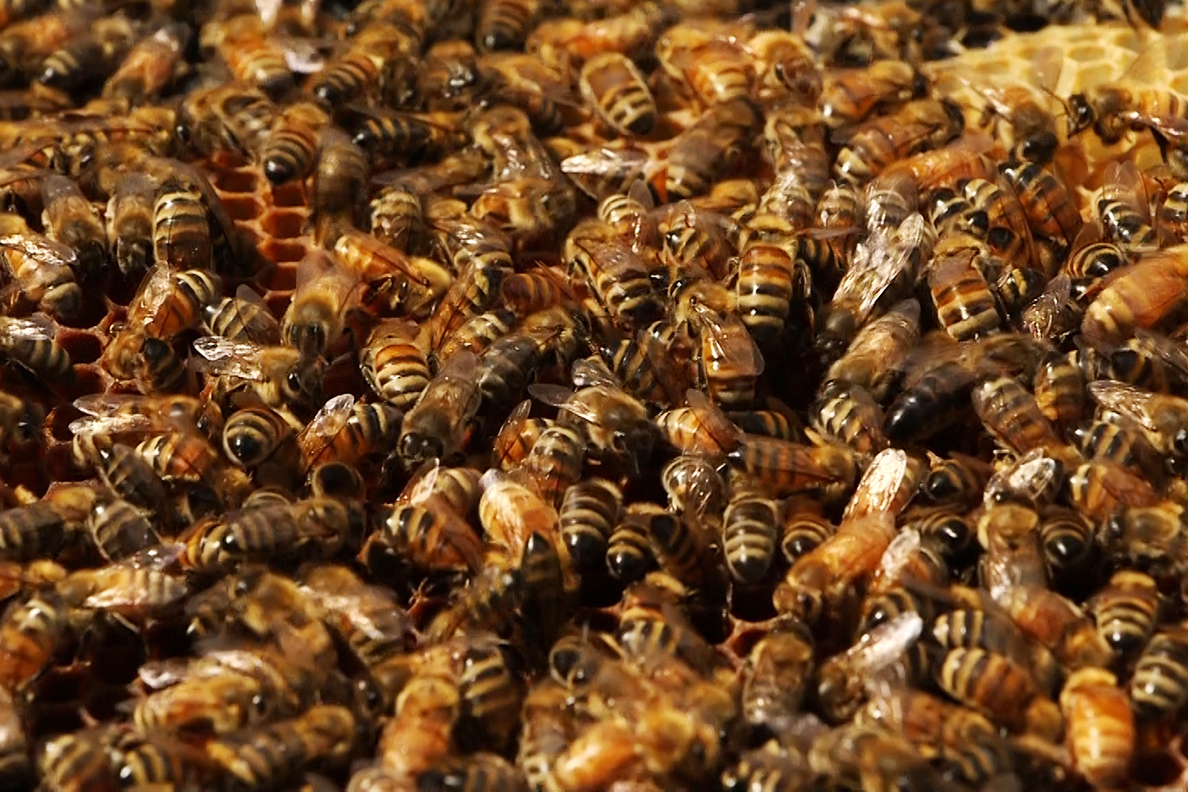
One of those was the annual event sponsored by the Mission of Slovenia to honor “World Bee Day,” a session that could easily seem trivial alongside a week of coups and famines, missile launches and crimes against humanity. But as my friends who keep bees and raise plants that attract their numbers recognize, bees and other pollinators are both endangered and crucial to life on earth. Indeed as this event noted, perhaps 80% of what nourishment humans consume requires essential input from bees. Moreover, the concept note crafted by Slovenia links endangered bees to a range of other biodiversity and ecosystem threats, noting that “current negative trends are projected to undermine progress towards a high number of the assessed targets of the Sustainable Development Goals related to poverty, hunger, health, sustainable consumption and production, water, cities, climate, oceans and land.” As we continue to pave over wetlands, degrade farmland, plant non-native species and denude forests, the damage we inflict on the smallest of our life forms exacerbates conditions which directly threaten the largest and most clever among us.

The other event of note on this theme was a preparatory meeting, hosted by the Mission of China, to encourage enthusiasm for the “COP15” meeting on biodiversity protection to be held next October in Kunming. China’s Minister of Foreign Affairs along with senior UN officials lent an air of gravitas to this session which was thankfully less about advertising and branding and more about our urgent biodiversity decline and the immediate need, as expressed at this session by the president of the General Assembly, to both enhance local ownership of biodiversity protection and factor in the importance and value (writ large) of nature into all our policymaking.  Too often, he noted, a tree is only ascribed value in this world once it has been felled.

And many trees continue to be felled in all global regions. In a discouraging report released this week by Forest Trends, it appears that trees have incredibly been brought down faster in the years since companies and governments promised to stop cutting them down. And another report recently released by a consortium of European researchers put the spotlight on one of the underlying drivers of biodiversity loss, namely our willfully and habitually “unsound” management of chemicals and waste, once again despite formal promises to the contrary.

It is reports such as these than temper the enthusiasm of myself and others for these large COP events, which tend to create environmental footprints far deeper than their policy impacts and promise far more than they ultimately deliver. Yes, we need immediate, tangible progress on biodiversity as we do on climate change and ocean health. But are the upcoming COP events any more likely than previous ones to shift policy dynamics in discernable ways? Are they at all likely, to paraphrase the GA president, to enable more robust action at local level, to help local activists, in the recent words of one, build bridges wide enough for everyone to cross over our current abyss and reach another side characterized more by harmony than chaos? Are they likely to sustain the buzzing of bees and other insects that still manage to overcome our collective assaults and fill our markets with produce? Are they sufficient to reset our notions of value such that we understand more than we apparently do now that a beautiful, harmonious and balanced world is ultimately essential to current and future lives worth living?

With full regard for activists struggling to maintain their voices and their sanity in this “kill the messenger” time, we in our sector must do more, will do more, to insist that these COP events serve interests beyond the branding of host states, that their ecological expense is calculated in more than mere dollars and cents, that their deliberations are as urgent as the problems which have merely multiplied on our watch, that their outcomes don’t simply add to the long list of promises misplaced or incompletely kept. We need more than political declarations from our leadership, more than grand sessions leading to perfunctory outcomes. If indeed, as Ambassador Akram noted on Friday, this war on nature is actually a war on ourselves, then we have no excuses for postponing a truce, ending our deep estrangement from nature, and reversing the biodiversity loss we are running out of time to address.

This band of ours needs to be brought back in tune without delay. Our farewell tour as a species may be closer than we think.

Smoldering Embers: The Fire of Violence we Fail to Extinguish, Dr. Robert Zuber

16 May
See the source image

Every day the community faces the possibility of breakdown — not from the forces of nature but from sheer human unpredictability.  Robert Heilbroner

The fundamental idea is not that of removing disturbing elements and letting things settle down, but that of introducing a peace-power among the disputants.  Vilhelm Grønbech

Endless numbers of speeches, publications, political debates do not have the function of getting at the root of important questions of life but of drowning them in verbiage.  Wilhelm Reich

A late justice is a lame justice.  Amit Kalantri

We protect ourselves to excess because we learned abruptly and painfully that no one else would.  Sarah Olson

There are innumerable ways to murder a person, but the most subtle and pernicious of these is to mutilate the soul of the innocent by denying or downgrading their uniqueness and their beauty.  Gerry Spence

Is not most talking a crazed defense of a crumbling fort?  Hafiz

Like others of my ilk, I am poised in front of a computer screen early on a Sunday morning waiting for the start of the Security Council emergency session following another long week of deadly violence in a conflict between Israel and Palestine that is as old as the UN itself.

The images from this recent, relentless exchange of hostilities have been heaped on top of so many others over many years, the fires we have addressed when they rage but which we never bother to completely extinguish, the embers of incitement and occupation, of intimidation and brutality that are one brisk wind away from igniting yet again, forcing the Council and other UN member states to public affirm their client interests or shrink into the background hoping that the red glow beneath the ashes from the last rounds of hatred and violence will somehow spare us all from what has almost become inevitable — more misery for the people, more trauma for the children, more narrow, nationalist justifications for occupation, more incitement to violence, more talking unattached to remedial response.

Amidst the disturbing images of buildings reduced to rubble with little warning for the civilians and media professionals who occupied them, the “iron dome” patterns in the night sky in response to missile attacks emanating from Gaza, the brutal measures adopted by Israeli defense forces on worshippers in Al-Aqsa Mosque at the end of Ramadan, the ecstatic jumping for joy of a group of Israelis as that same mosque was seen engulfed in flames, the young boy rushing to the head of a funeral line to say a final goodbye to his muirdered father. There is no shortage of heartbreak in these images of conflict allowed to rage, allowed to recur over and over. There never is.

Perhaps the most heart-tugging image of all was courtesy of a video widely circulated of a young girl surveying the wreckage from one of many air attacks on Gaza this week. As she held back tears, she remarked while pointing at the rubble “You see this? What am I supposed to do? Fix it? I’m only 10.”

She’s only 10, living in what some have called an “open air prison,” wanting to “help my people” but for now having to live with rubble both physical and psychological as she awaits her turn to serve and to lead, a turn which unless we cease this recurring cycle of misery might never come.

Sadly, as we know, hers is not the only story of childhood-denying misery, misery that will likely require herculean efforts to heal, misery which will turn a few children into heroic adults while leaving many others angry and despondent over years of having their beauty and potential denigrated, leaving scars that won’t easily disappear. Such scars represent a future in grave jeopardy for us all, a future for which we all bear some responsibility but certainly for the nations and institutions which continue to cover up abuses and other crimes, which continue to advocate for client states, simultaneously selling them weapons and undermining any timely prospect of accountability.

The UN earlier in the week gave good attention to another tragedy not as long on its watch, the genocidal violence committed beginning in 2014 by ISIL terrorists against the Yazidi people of northern Iraq, including mass executions of men and young women forced into conditions of sexual slavery.

There are differences between the situation facing the Yazidi and that now faces Gaza. While it may turn out to be the case that some UN member states have enabled ISIL violence through some nefarious back-channel means, ISIL itself has no visible state protectors. The violence which was inflicted against the Yazidi has been widely encouraged by the international community to be thoroughly investigated by UNITAD though this has so far not resulted in tangible prosecutions seven years after the occurrence of these abuses. Such investigations have only recently enabled the conditions for Nadia Murad and many other Yazidi to properly bury their murdered loved ones amidst a cloud of revisited sorrow, one piece of a relatively uncomplicated (if deferred) promise of some genuine closure, some eventual justice for perpetrators, some final resting place for the unimaginable pain inflicted over many months. Gaza currently experiences few such tangible promises.

And yet, there are several lessons from Iraq that could be applied to the violence in and around Gaza which as of this writing shows little prospect of abating: the importance of thorough investigation of abuses and competent justice mechanisms; the need for transparency regarding the political alliances and backroom deals that undermine the peace and justice we claim to want; the firm resolve to cease all arms sales and transfers into conflict zones; the importance of investigating and then sharing not only the specific consequences of armed violence but exposing the reticence of those tasked with ending violence to uphold their full responsibility to ensure that violence once constrained is not allowed to recur. In addition there is the lesson, largely unheeded, to put an end to a Council practice which enables the major powers to shield clients (Israel, Syria, Myanmar and more) from the legal consequences of the most horrific of their actions.

As the emergency Security Council meeting on the Israel-Gaza violence earlier this morning draws to a close, it is not at all apparent that we have learned the lessons which are now required of us. Despite some passionate and eloquent statements by Palestine’s Minister of Foreign Affairs and his counterparts from Ireland, Jordan and Norway, it is unclear that the US will loosen the most toxic connections to its support for Israel; it is unclear that the “back channel” efforts to resolve the violence claimed by some states will ever see the light of public scrutiny; it is unclear that arms trade restraint will soon become the norm rather than the exception; it is unclear that states are uniformly willing to help the International Criminal Court and other legal entities apply the lens of justice now becoming operational in Iraq to bring closure to so many Gaza children and others in the region terrorized and victimized over so many years by a range of violent acts; it is unclear if states understand beyond their own rhetoric that putting out the Gaza fire is not the same thing as suppressing the immediate flames, but requires more attention, more hands-on action, more responsibility to address all aspects of our current cycles of violence.

And part of this responsibility requires a commitment to discernment that is often hard to come by in diplomatic settings, discernment regarding our failure, metaphorically speaking, to ensure that the “campfire” of violence is completely snuffed out, that those embers of future destruction which continue to smolder long after we have damped down the most damaging and obvious flames are no longer allowed to flare up again and engulf entities and citizens with what in our current circumstance seems like an otherwise inevitable renewal of their searing heat.

We have the capacity to turn current political impediments into peace power, a “power” that demands of us a determination to ensure that the fire of mass conflict has been fully and utterly extinguished. So long as the embers of our once-raging violence continue to glow, so long as they continue to threaten, we in the peace and security community simply cannot claim to have done our proper jobs.

Care Package: A Mother’s Day Reflection, Dr. Robert Zuber

9 May

Please don’t judge me too much until you are older and know more things. Ann Brashares

She gave me everything before she gave me nothing.  Rebecca Solnit

Motherwhelm isn’t a problem, it’s a rite of passage. Beth Berry

My daughter, my mother, her mother, her mother’s mother. It is as if they have left footprints in the snow. Try as I might to deviate, my feet fall gently but firmly into their well-worn grooves. Pippa Grace

For a woman to birth something other than children and then mother it with the same sense of purpose, attention, and care came as an astonishment, even to me.  Sue Monk Kidd

She caught herself working so hard at mothering that she forgot to enjoy her children. Susan Wiggs

I have seen him climbing a tree while she stood beneath him in unutterable anguish; she had to let him climb, for boys must be brave, but I am sure that, as she watched him, she fell from every branch.  J.M. Barrie

There is always the fantasy of maternal love, but it does not accommodate a mother’s fear of her children.  Stephanie Bishop

Earlier this week, I spent a few hours with a dying cousin, a wonderful younger man who was surrounded by extended family and health professionals offering all manner of caregiving. My role amidst this glorious frenzy of care was a relatively simple one, to help ease his transition from this life to whatever might come next.

Part of my intervention involved a series of familiar (to him) prayers and readings directed not only to him in his time of need but to those who are still ministering to him in various ways, who makes sure he eats what he can, takes what medicines are prescribed, and even ensures that stories, affections and even tears are shared while he is here to share them. Those who have cared for the sick and dying know how much can be required of them more than they imagined, more than they might even feel that they have in them.

In this time of COVID-19, many millions around the world, including so many mothers, have had their caregiving capacities pushed beyond their limits. In various global regions, in places wracked by a spreading and largely unvaccinated pandemic, in places often characterized by gross economic inequalities, empty schools, unproductive farmlands and threats to home life and health access from armed groups, mothers and other caregivers wonder how they can get their children back on track, how to summon the energy to guarantee sustenance in an environment that continues to pile challenge on top of challenge, all of which have at least one thing in common – they are not the fault of the caregivers themselves.

In this regard, I recall an image from yesterday of an Afghan man clearly doing all that he could do to hold it together as he stood alongside the bloody, lifeless body of his daughter, one of the victims of yet another senseless shooting spree in that country. Another child taken from the world much too soon. Another family having to cope with a murderous end to their season of caregiving. There are hardly words to express such sadness.

Such loss, albeit with less-tragic lines, is also a feature of more “developed” parts of the world, places where caregiving has also mutated under the pandemic cloud of these past 15 months. This week, many mothers have taken to social and mainstream media to reflect on a year of caregiving in an environment over which they have little control and have often lost much, including their careers, their self-esteem and their chunks of their mental health. One of these mothers noted the vast sums of her energy trying (and sometimes failing) to preserve her income and continue to “birth” things in the wider world; to keep her children focused on learning though games and digital screens; to show tangible support and concern over zoon as parents “distantly” age and even succumb to the virus; and to hold on to sanity amidst logistical challenges which were both unplanned and wholly unpredictable.

A second mother wrote about having to accept being “merely OK” in meeting these logistical challenges. A third noted the strains that come with spending more time together with nuclear family than they ever imagined would be the case. A fourth spoke of shrinking circles of concern as friends and family struggle to maintain connective tissue during this long season of fear, uncertainty and isolation. Still another, a mother who just recently gave birth, described herself as almost “invisible” at a time when friends and family members would normally be flocking to hold the baby and offer whatever practical assistance they were able. One particularly thoughtful writer, Sari Azout, described the challenges of keeping the many dimensions of her life afloat while “mothering humans who never sleep,” a situation which may or may not be adjustable in the short-term, but one which is certainly unsustainable.

If “motherwhelm” is indeed a rite of passage, it is a rite accompanied by levels of anxiety, fear and disappointment to at least rival any time in our past. Some mothers in this time of pandemic are so busy working at being mothers that they have forgotten how to enjoy their children. Other mothers, who may not have seen their children for months on end, struggle to maintain connection to lives in flux, lives that they fear might be slipping away from them, slipping into a mode more forgetful and inattentive.

While it might not seem automatically relevant, the fears and courage of caregivers have bear a direct message for those of us who ostensibly create policy norms for the global community. While there is surely much to discuss, we talk endlessly in UN spaces about women, but rarely about mothers. We talk endlessly about children, but rarely about those who struggle to provide that practical, tangible care that can be so tenuous but which is indispensable to keeping alive their physical, emotional and cognitive well being. And it is much too easy for many of us in policy settings, especially those of us not actively caring for children or aging parents, to ignore or forget about the vast gulf which often separate our resolutions (even with their sometimes considerable protection and humanitarian consequences) and the often-relentless logistics of caregiving at local level, especially care administered under a cloud of multiple stressors.

Amidst all of the policy concerns at the UN this week, including not-unproblematic elections for senior leadership, eliminating the still-vast disparities of global digital access, and the horrific, unresolved violence affecting people in Tigray, on the streets of Myanmar and in the mosques of East Jerusalem, Estonia hosted a Security Council Arria Formula meeting to asses the impact of COVID-19 on children and communities already under strain from armed violence, climate change and a lack of health, protection and other government services.

We were grateful for the discussion as we are for the diverse UN capacities in the field seeking to end child recruitment by armed groups, restore educational options, address chronic food insecurity and much more. While conflict prevention remains an elusive goal in the Council and other UN chambers, the organization has done much to provide lifesaving assistance and advocate state responsibilities for children too often under siege.

That said, and as we noted at the time, talking about children in distress is low-hanging fruit for all of us in policy settings. There may be no other space in which we can easily appear so sincere while under-playing the specific policy changes that we need to both enable and enforce, part of which involves accompanying mothers and other caregivers whose interactions with children and community are so intensely practical, who continue to find ways to “make do” when the logistics of “making” are so fraught with difficulty.

Yes, as noted by Canada (Group of Friends) during this Arria session, we need more child protection advisors in the field alongside UN peacekeepers and experts. Yes, as noted by Saint Vincent and the Grenadines, we need better verification and monitoring mechanisms to track and address abuses against children. Yes, as noted by the US we must prioritize services to support children with disabilities whose prospects in conflict and pandemic zones are even more dire. Yes, as noted by Tunisia, we must do more to ensure that children under “suspicion” of being part of armed groups are freed from prisons where they routinely “languish in unsafe and unsanitary conditions.” And yes, as noted by UNICEF’s Fontaine, we need more “sustained engagement” with armed groups on child protection and release and, despite the pandemic, we must also pledge to “stay close to where children need us.”

All good, but these are needs which are not news to us and as several states willingly acknowledged, have yet to receive sufficient capacity response either in personnel or in funding. Moreover, in the two hours which I was engaged in this meeting, I don’t recall a single reference to caregivers; not the valiant UN responders but the mothers and others who are doing the hard, practical work — and often making the hard decisions — regarding how to maintain some modicum of tangible progress in enhancing the best interests of the child.

These are the questions looming for us over this otherwise fine policy session. What is likely to change in the field in response to events such as these? Will there be more funding? More protection advisors? More international accountability for child-abusing states and armed groups? More determined effort to stem the violence which does more than anything else to limit options for children? But beyond this, how do we support caregivers, the mothers and others whose bag of remedial ideas might well have largely emptied, caregivers who can barely attend to children and others in their circle while their own mental and physical health is in demonstrable decline? How do we support the care that mothers often struggle to provide, care which is both indispensable for children and for which no UN agency can possibly be a reliable surrogate?

I wrote a piece a few years ago entitled “Other Mothers,” an ode to caregivers who share love and perform services normally (and not without reason) associated with biological mothers. As we recognize, there remain numerous, viable paths to caregiving, even in this time of pandemic limitation. But while many of those paths are now strewn with debris and explosive remnants of various sorts deposited by the more selfish, narcissistic and violent among us, these are paths that still merit risking the journey. Indeed these are the paths which bear the promise of a future less-affected by the emotional and physical scars of the present; a future that is healthier and safer for both children and caregivers; a future that can restore the promises embedded in the “well-worn grooves” of our snowy footprints; promises to children who may now never seem to sleep but who are also free to play and learn, to risk and dream; a future where caregivers need never again confront the blunt and unimaginable end of young lives snuffed out long before their time.

During this pandemic, many mothers worldwide have felt obliged to take a step back in lives which were already under considerable stress, some of whom might even be doubting if the children who now pack the spaces inside their multiple dwellings will ever have a chance to overcome sickness, trauma and disappointment, will ever again be able to enjoy lives of nutrition and education, of health access and economic opportunity. These are the caregivers who need more of our attention, those who hold the key to children who no longer need to hide from the assaults of a world which seems to be spinning out of orbit. We owe these caregivers more, on Mothers Day for sure, but everyday.

Fighting Terrorism in the Sahel Requires Democratic Governance, by Dr. Hussein Solomon

4 May

Editor’s Note: As those of you who frequent this blog recognize, Hussein Solomon has been our “go-to” for many years in helping us understand the implications of colonial rule on contemporary manifestations of African governance. The context for this piece is the recent killing of Chad’s president Deby Itno, a man who served several presidential terms and maintained the support of numerous foreign governments for his “anti-terror” contributions despite some very sketchy governance priorities. Clearly, as Solomon implies, we in the west need to think harder about our support for governments, in Africa and elsewhere, that maintain colonial legacies under the guise of rejecting them.

In 1905, John Ainsworth, a British colonial official based in Kenya wrote how the British administration governed their dominions first by finding a strong local personality who was also loyal to the Crown. They would then do everything possible to increase this person’s power relative to other “natives” and finally conspire to make this person’s continued rule totally dependent on the colonial power. This process was euphemistically termed “indirect rule”. This same pattern could be seen as colonial powers carved out other parts of Africa into their fold. The legacy of this colonial plan then was a type of local authoritarianism in which incumbent post-colonial elites were dependent on foreign powers in order to maintain the levers of their own power.

I reflected on this legacy as I recently watched tragic developments in Chad unfold. On the 19th April 2021, Chad’s president – Idriss Deby Itno – was killed while fighting rebels alongside his troops. His death was immediately lamented within the region as well as in some Western capitals as a major set-back for counter-terrorism efforts in the Sahel. Chad, after all, is an integral contributor to the 5,000 strong Sahel G-5 force closely allied with French Operation Barkhane troops aiming to robustly engage and defeat Islamists in the region.

Unfortunately, the reaction in several quarters to the Chadian President’s death explains in part why counter-terrorism is failing across the Sahel despite the training and equipping of armed forces, the expenditure of hundreds of millions of dollars and the stationing of Western troops across the vast expanses of this desert region.

Despite being lauded for his counter-terrorism stance against radical Islamism, the late Chadian president, by his actions, actually served to fuel some of the fire of extremism in his country. Here it is instructive to recall that Deby had just begun his sixth term as Chad’s president. He originally came to power via a coup against the brutal dictatorship of Hissene Habre whom he served as Commander-in-Chief of the Armed Forces. Following his ascent to power in December 1990, Deby promised democratic reforms and for a short period of time he was treated as a savior. Despite Deby and his Patriotic Salvation Front winning six presidential election and four parliamentary elections, all of these were subsequently alleged to be marred by fraud.

And the fraud alleged for this government went beyond the political sphere. Despite Chad having the tenth largest oil reserves in Africa, it is one of the world’s poorest countries, ranking a measly 187 out of 189 countries on the Human Development Index. Much of the oil revenues were redirected towards Deby’s own pockets and those of his family and the wider Zaghawa clan which constitutes only 4 percent of the population. Other funds were redirected towards dubious purchases of weaponry while many of Chad’s citizens languished in abject poverty. Despite all this Deby maintained the support of the former colonial power France as well as other Western allies.

His exclusionary, corrupt and authoritarian rule encouraged rebellion as ordinary Chadians lost faith in the power of (and results of) the ballot box. Deby crushed rebellions to his rule in 2006, 2008 and 2019. In the midst of this chaos, various Islamist groups spread their pernicious influence among Chad’s Muslims who constitute 55.3 percent of the total population. It remains clear that a close relationship exists between terrorist expansion and the persistence of deep mistrust and even conflict among citizens and groups. In 2019, for instance, 96 percent of all deaths resulting from terrorism occurred in countries already experiencing such turmoil.

We now know that an effective counter-terrorism strategy involves more than merely focusing security assets against the threat posed by a particular terrorist group itself, but also must reduce impacts from conflict dynamics in the country as a whole. Effective counter-terrorism entails not only counter-insurgency but also conflict resolution, economic development, political accommodation and social inclusion. Conflict de-escalation not only includes short-term measures like the demobilization, disarmament and reintegration of former combatants but also entails structural and governance improvements to sustain reforms in the medium to long-term.

Across the vast arid expanses of the Sahel, there are worrying trends that political violence is becoming acceptable practice as groups feel that there exists no reliable institutional means for redress of grievances. This is especially the case where group grievance exists – whether the Kanuri in Nigeria, the Tuareg in Mali or the Fulani – and then are allowed to spread across the region.  The sad truth is that terrorism is often a reaction to the historical violence and exclusion associated with the state and should be understood as such. Consequently, governance must become less elitist and more popular. It must become more responsive, tolerant and inclusive – politically, economically and culturally. The influential Global Terrorism Index is emphatic that “…governance is the most important factor that determines the size, longevity and success of a terrorist group”.

Good governance is a potent antidote for the likes of militant Islamist groups exploiting local grievances, whether based on social alienation, economic marginalization or political disenfranchisement, as they seek to gain a pernicious foothold amongst the local population growing tired of an uncaring and unaccountable government as we have witnessed time and again across the Sahel. Rather than honoring and supporting despots seeking to maintain their power, foreign countries who seek to defeat terrorism in this troubled region should utilize their leverage over incumbent elites to open up democratic space and otherwise challenge – rather than reinforce — the malevolent legacies of colonialism.

Mash Unit: Treating our Multiple Health Emergencies, Dr. Robert Zuber

2 May
Funeral homes struggle to keep up with rising deaths | Hindustan Times
Hindustan Times

What happens when people open their hearts? They get better.  Haruki Murakami

I think that little by little I’ll be able to solve my problems and survive.  Frida Kahlo

The question is not how to get cured, but how to live.  Joseph Conrad

As soon as healing takes place, go out and heal somebody else. Maya Angelou

I think I have served people perfectly with parts of myself I used to be ashamed of. Rachel Naomi Remen

And here you are living despite it all.  Rupi Kaur

Poetry heals the wounds inflicted by reason.  Novalis

Inside and outside the UN, health-related matters continue to occupy center stage in our collective consciousness.   Some good medical news related to infection levels in the US and remarkable progress reported from Oxford (UK) on a potential malaria vaccine was more than offset by news of devastating health emergencies in countries from Brazil to India – overwhelming existing health infrastructure and sending front-line health care workers in these and other countries to their emotional breaking point.  It was unnerving to read of doctors in India describing the “mental torture” they now experience from treating what even they depict as India’s “hopeless” COVID crisis.  

This “torture” is reminiscent of what medical personnel have experienced over this past year in community after community, country after country, places where political leaders have routinely bungled pandemic responses both within and across borders. Their not-infrequent politicizing of a public health menace has left medical workers with little option but to pick up the pieces from infected persons who, in many instances, refused to adhere to public health warnings and protocols. Such workers have been left to cope with waves of variants that are sure to multiply as cases explode in areas of the world largely (and sometimes willfully) excluded from adequate vaccine coverage, areas which in some instances are also coping with water shortages, limited sanitation and health access limitations which compromised local health outcomes long before the onset of COVID-19.

This pandemic isn’t over.  Through our science-suspicion, our short-sighted policy choices, and our lack of solidarity across borders and regions, we have seen to that.  And this is clearly not the only health-related threat to which we should now be paying attention.

The UN system has done some robust and cross-cutting policy work on matters of disease control, health access and the protection of health infrastructure.  This past week alone, the outlines of a comprehensive response to the current health crisis facing our planet once again came into focus.  For instance, in the Permanent Forum on Indigenous Issues, the outcome document referenced the grave health disparities which indigenous communities face worldwide, noting both the diminishing health infrastructure in more remote rural areas and the important work done by rural caretakers to protect the forests and other natural resources that remain under severe threat, protection which is indispensable to biodiversity preservation and might even help us avoid future pandemics.

And in the General Assembly, the GA president hosted a high-level dialogue on Antimicrobial Resistance, a challenge to what the PGA called “our over-dependence and over-use” of antibiotics which have in many instances compromised our ability to stem infections and prevent the evolution and spread of antibiotic-resistant bacteria.  As speakers noted from across the UN system, the combination of threats including substandard sanitation systems, lack of access to potable water, and high levels of antibiotics in the meat some of us routinely ingest are enabling preventable outcomes, including making people with under-treatable bacterial infections more susceptible to COVID-19 threats. 

What was particularly hopeful about this GA discussion is the degree to which it enabled an assessment of other health-related concerns to which states and the rest of us should be more mindful.  The GA president, for instance, used the opportunity to call once again for states to commit to “universal health access.”  The Deputy Secretary-General Amina Mohammed used her speaking time to call for “alternatives to antibiotics” and increased investment in health infrastructure as one means of “getting our commitments to sustainable development back on track.”  Dr. Tedros of WHO reminded delegations of the primary health-related responsibility of states to ensure fresh water and sanitation access, while the director of FAO noted the importance of ensuring food security and related measures we can and must take to improve public health instead of simply “waiting around for new medicines” to be developed. 

And in the Security Council, a session on the “protection of indispensable civilian objects” hosted by Vietnam’s president highlighted the extent to which, as Ireland’s Foreign Minister noted, “war is the enemy,” the enemy of trust and confidence, the enemy of person-centered funding priorities, the enemy of stable and effective health infrastructure, the enemy of brave doctors and nurses forced to “work from caves” in a herculean (and often futile) effort to heal wounds of war in settings far less conducive to caregiving than the now hollowed-out hospitals where they used to work. The makeshift mash units to which some transitioned have too often become targets of armed violence as well, causing many medical personnel to once again and quite literally flee for their lives.

And it isn’t just hospitals.  As noted by the Foreign Minister of St. Vincent and the Grenadines – a country now coping with health consequences from a major volcanic eruption — attacks on civilian objects by parties to conflict now directly target water and other infrastructure with growing frequency, leading inexorably to the spread of otherwise preventable diseases, including cholera.  Such infrastructure looting and outright destruction endangers both short and longer-term health care access, gravely imperils the growth and development of children, skews our funding priorities towards more military hardware and away from health facilities, and exacerbates displacement-related miseries that most of the rest of us can scarcely imagine.  War, indeed, is the enemy of healthy societies in multiple ways.

The question now for UN stakeholders is whether or not we have the collective will to hear and heed the advice from this week of policy discussions, to internalize and respond in kind to the mental burdens of front line workers and the misery and insecurity of those suffering under what one health aide this week referred to as a “genocide” of pandemic and other disease-related casualties. Such a “genocide” affects all sectors of society, but especially those persons with disabilities, the economically marginalized, the aged and those in relative rural isolation.  It is obviously that much harder to appreciate sunsets and spring flowers or the wonders of poetry and art while carrying around wounds that won’t heal or dealing with sickness that drains away energy while children cry out for a proper meal.

The remedial blueprint is clear but it will require much from us. Tangible commitments of persons, priorities and treasures are required if we are fix currently-grave health disparities given, as this pandemic has reminded us, that an out-of-control virus in one part of the world affects health outcomes in every corner of the world.  We must make forest protection (and its protectors) a priority.   We must demonstrate levels of solidarity required to distribute vaccines and health resources fairly and evenly across all areas of need.  We must do more to counter health disinformation and, while doing so, help to restore public confidence in both science and governance.  If we insist on eating meat, we must also insist on options for more humanely-treated and less antibiotic-infested animals.  We must invest more in community health with a focus on prevention, nutrition and alternatives to the medicines which once reliably saved lives (including twice my own) but which our overuses have made increasingly unreliable.  We must cease our relentless dismantling of health infrastructure, especially in rural areas, due in part to our skewed funding priorities and tax policies which have put money into dubious outcomes such as nuclear weapons modernization while also lining the pockets of those whose investment accounts are already filled to overflow.    

And we must protect the infrastructure we already have, ensuring that “indispensable civilian objects” and those brave souls determined to provide the essential services within them are spared the horrific impacts of armed conflict, impacts from indiscriminate air raids and explosive weapons which must be removed in practice as their legitimacy has long been “removed” under international law.  War, indeed, “has rules” as many noted this week in various UN digital “conference rooms,” but those rules are increasingly disregarded.  The Security Council must do more to enforce them.  And war as an alleged enabler of anything remotely constructive for civilians in either the short or long term must be thoroughly debunked.

We are now facing a health crisis with multiple dimensions and causes highlighted and exacerbated by the current pandemic.  As someone who is serially blessed by vaccinations and adequate health care access, I fear for those increasingly desperate for the portion of health care that should rightly be theirs, persons perpetually shouting (or praying) away the wolves of disease and violence baying outside their dwellings on a daily basis. 

Unless we take the recommendations from this week seriously, unless we step up regarding practical manifestations of genuine solidarity, my fear is that their desperation will eventually become our common franchise, their misery will spread as quickly and defiantly as our own self-interestedness. Then, the stench from so many burning bodies will fill our nasal cavities as thoroughly as those who manage the fires of India’s now-overloaded funeral pyres. I was stunned this week by a 1961 photo of a Russian doctor preforming a self-appendectomy while stranded on a base in Antarctica.  How many in this world are forced into similarly desperate measures to treat personal and family health emergencies without access to any of the technical skills and training possessed by that doctor? 

For their sake, for our own as well, we simply cannot allow this desperation to persist any longer. Our hearts need to open wider, our blessings shared more liberally. We know what needs to be done to enable healthier outcomes for all. We are collectively, undoubtedly, urgently on the clock.